

Hey there! As a supplier in the field of Mechanical Parts Processing, I've been dealing with all sorts of mechanical parts on a daily basis. One of the key aspects that can significantly impact the quality and efficiency of mechanical parts processing is the clamping position. In this blog, I'm gonna share some tips on how to optimize the clamping position in mechanical parts processing.
Understanding the Importance of Clamping Position
First off, let's talk about why the clamping position matters so much. When we're processing mechanical parts, a proper clamping position ensures that the part stays stable during the machining process. If the part isn't clamped correctly, it can move around, leading to inaccurate machining results. This means we might end up with parts that don't meet the required specifications, which is a big no - no in our industry.
For example, if we're working on Double-Side Lapping Seal Parts, these parts need to be clamped precisely. Any misalignment during clamping can cause uneven lapping, which will affect the sealing performance of the parts.
Factors to Consider When Choosing the Clamping Position
1. Part Geometry
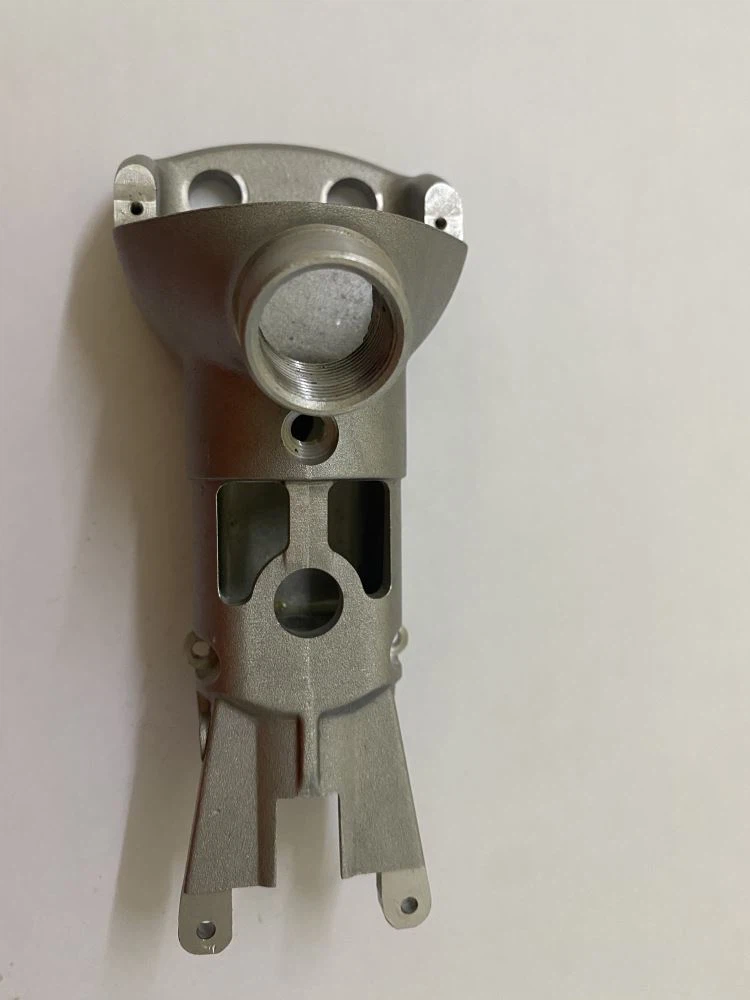
The shape and size of the part play a huge role in determining the clamping position. For irregularly shaped parts, we need to find a way to clamp them in a way that provides maximum stability. We have to look for flat surfaces or features on the part that can be used for clamping. For instance, if a part has a large flat face, it's a good idea to clamp it using that face. This way, we can distribute the clamping force evenly across the part.

2. Machining Operations
Different machining operations require different clamping positions. For example, if we're doing milling, we need to make sure the part is clamped in a way that allows the milling cutter to access all the areas that need to be machined. On the other hand, if we're doing turning, the clamping position should be set up to ensure that the part rotates smoothly without any wobbling.
3. Material Properties
The material of the part also affects the clamping position. Some materials are more brittle than others, and we need to be careful not to apply too much clamping force, which could cause the part to crack. For example, when processing parts made of glass or ceramics, we need to use soft jaws or other gentle clamping methods to avoid damage.
Techniques for Optimizing the Clamping Position
1. Use of Fixtures
Fixtures are great tools for optimizing the clamping position. They are custom - made devices that hold the part in place during machining. A well - designed fixture can ensure that the part is always in the correct position, regardless of the machining operation. For example, we can use a fixture for Non - standard Machining to hold a unique - shaped part securely.
2. Multiple Clamping Points
Using multiple clamping points can improve the stability of the part. Instead of relying on a single clamping point, we can use two or more points to distribute the clamping force evenly. This reduces the risk of the part moving during machining. For example, if we're clamping a rectangular part, we can use four clamping points at the corners to hold it firmly.
3. Adjusting Clamping Force
It's important to adjust the clamping force according to the part's requirements. Too much force can damage the part, while too little force can cause the part to move. We can use force - measuring devices to ensure that the clamping force is within the appropriate range.
Case Studies
Let's take a look at a couple of case studies to see how optimizing the clamping position can make a difference.
Case 1: Processing of a Complex - Shaped Part
We had a customer who needed a complex - shaped part for a special application. The part had a lot of curves and irregular surfaces. At first, we tried to clamp it using a single point, but the part kept moving during machining, and the results were not satisfactory. Then, we designed a custom fixture with multiple clamping points. The fixture held the part firmly in place, and we were able to machine the part accurately. The customer was very happy with the final product.
Case 2: Milling a Large Plate
When we were milling a large plate, we initially clamped it at the edges. However, we noticed that the middle of the plate was slightly warping during machining. We realized that the clamping force was not evenly distributed. So, we added some additional clamping points in the middle of the plate. This helped to keep the plate flat during machining, and we got a much better surface finish.
Conclusion
Optimizing the clamping position is crucial in mechanical parts processing. By considering factors like part geometry, machining operations, and material properties, and using techniques such as fixtures, multiple clamping points, and adjusting clamping force, we can ensure that the parts are processed accurately and efficiently.
If you're in the market for high - quality Mechanical Parts Processing, we're here to help. We have the expertise and experience to handle all your mechanical parts processing needs. Whether it's double - side lapping seal parts or non - standard machining, we've got you covered. Don't hesitate to reach out to us for a quote or to discuss your specific requirements.
References
- "Machining Handbook"
- "Fundamentals of Mechanical Engineering"


