

In the aerospace industry, the precision and reliability of mechanical parts are of paramount importance. As a leading Mechanical Parts Processing supplier, I've witnessed firsthand the critical role that various mechanical parts play in aerospace applications. In this blog, I'll delve into some of the common mechanical parts used in aerospace processing, highlighting their functions, materials, and manufacturing processes.
1. Bearings
Bearings are fundamental components in aerospace machinery, enabling smooth rotation and reducing friction between moving parts. They are used in a wide range of applications, from aircraft engines to landing gear systems.
Types of Bearings in Aerospace
- Ball Bearings: These are the most common type of bearings in aerospace. They consist of balls that roll between an inner and outer race, providing low friction and high-speed capabilities. Ball bearings are used in applications such as engine shafts, where high rotational speeds are required.
- Roller Bearings: Roller bearings use cylindrical or tapered rollers instead of balls. They can handle heavier loads than ball bearings and are often used in landing gear systems and helicopter rotor hubs.
Materials
Aerospace bearings are typically made from high-strength steels, such as stainless steel or chrome steel, to withstand the extreme conditions of flight. Some bearings may also use advanced materials like ceramics, which offer high hardness, low density, and excellent corrosion resistance.
Manufacturing Process
The manufacturing of aerospace bearings involves precision machining, heat treatment, and surface finishing. The races and rolling elements are machined to tight tolerances to ensure smooth operation. Heat treatment is used to enhance the hardness and strength of the materials, while surface finishing techniques, such as grinding and polishing, improve the surface quality and reduce friction.
2. Gears
Gears are used to transmit power and motion between different components in an aerospace system. They are essential for controlling the speed, torque, and direction of rotation in engines, transmissions, and flight control systems.
Types of Gears in Aerospace
- Spur Gears: Spur gears are the simplest type of gears, with straight teeth that are parallel to the axis of rotation. They are used in applications where high-speed and low-torque transmission is required, such as in aircraft generators.
- Helical Gears: Helical gears have teeth that are angled relative to the axis of rotation, which allows for smoother and quieter operation compared to spur gears. They are commonly used in aircraft engines and transmissions.
- Bevel Gears: Bevel gears are used to transmit power between intersecting shafts. They are often used in helicopter rotor systems and flight control actuators.
Materials
Aerospace gears are typically made from high-strength steels or alloys, such as nickel-chromium-molybdenum steel. These materials offer excellent fatigue resistance and wear properties, which are crucial for the long-term reliability of gears in aerospace applications.
Manufacturing Process
The manufacturing of aerospace gears involves a combination of machining, heat treatment, and surface finishing. The gear teeth are machined using specialized cutting tools, such as hobs or broaches, to achieve the required shape and accuracy. Heat treatment is used to improve the hardness and strength of the gears, while surface finishing techniques, such as shot peening and nitriding, enhance the fatigue resistance and wear properties.
3. Fasteners
Fasteners are used to join different components together in an aerospace structure. They are essential for maintaining the integrity and safety of the aircraft.
Types of Fasteners in Aerospace
- Bolts and Screws: Bolts and screws are the most common type of fasteners in aerospace. They are used to secure structural components, such as wings, fuselage sections, and engine mounts.
- Nuts and Washers: Nuts and washers are used in conjunction with bolts and screws to provide a secure and tight connection. They help distribute the load evenly and prevent loosening due to vibration.
- Rivets: Rivets are permanent fasteners that are used to join thin sheets of metal together. They are commonly used in aircraft skin panels and control surfaces.
Materials
Aerospace fasteners are typically made from high-strength steels, titanium alloys, or aluminum alloys. These materials offer excellent strength-to-weight ratios and corrosion resistance, which are important for aerospace applications.
Manufacturing Process
The manufacturing of aerospace fasteners involves precision machining, heat treatment, and surface finishing. The fasteners are machined to tight tolerances to ensure proper fit and function. Heat treatment is used to enhance the strength and hardness of the materials, while surface finishing techniques, such as plating or coating, improve the corrosion resistance.
4. Seals
Seals are used to prevent the leakage of fluids, such as oil, fuel, and hydraulic fluid, in an aerospace system. They are essential for maintaining the efficiency and reliability of the system.
Types of Seals in Aerospace
- O-Rings: O-rings are the most common type of seals in aerospace. They are circular rubber or elastomeric rings that are used to create a seal between two mating surfaces. O-rings are used in a wide range of applications, from engine seals to hydraulic system seals.
- Gaskets: Gaskets are flat seals that are used to seal joints between two flat surfaces. They are commonly used in engine cylinder heads, fuel tanks, and hydraulic manifolds.
- Lip Seals: Lip seals are used to seal rotating shafts and prevent the leakage of fluids. They are often used in engine bearings and hydraulic pumps.
Materials
Aerospace seals are typically made from rubber or elastomeric materials, such as nitrile rubber, silicone rubber, or fluorocarbon rubber. These materials offer excellent sealing properties, chemical resistance, and temperature resistance.
Manufacturing Process
The manufacturing of aerospace seals involves molding, extrusion, or machining. The seals are formed to the required shape and size using specialized molds or extrusion dies. Machining may be used to finish the seals to the required tolerances.
5. Double-Side Lapping Seal Parts
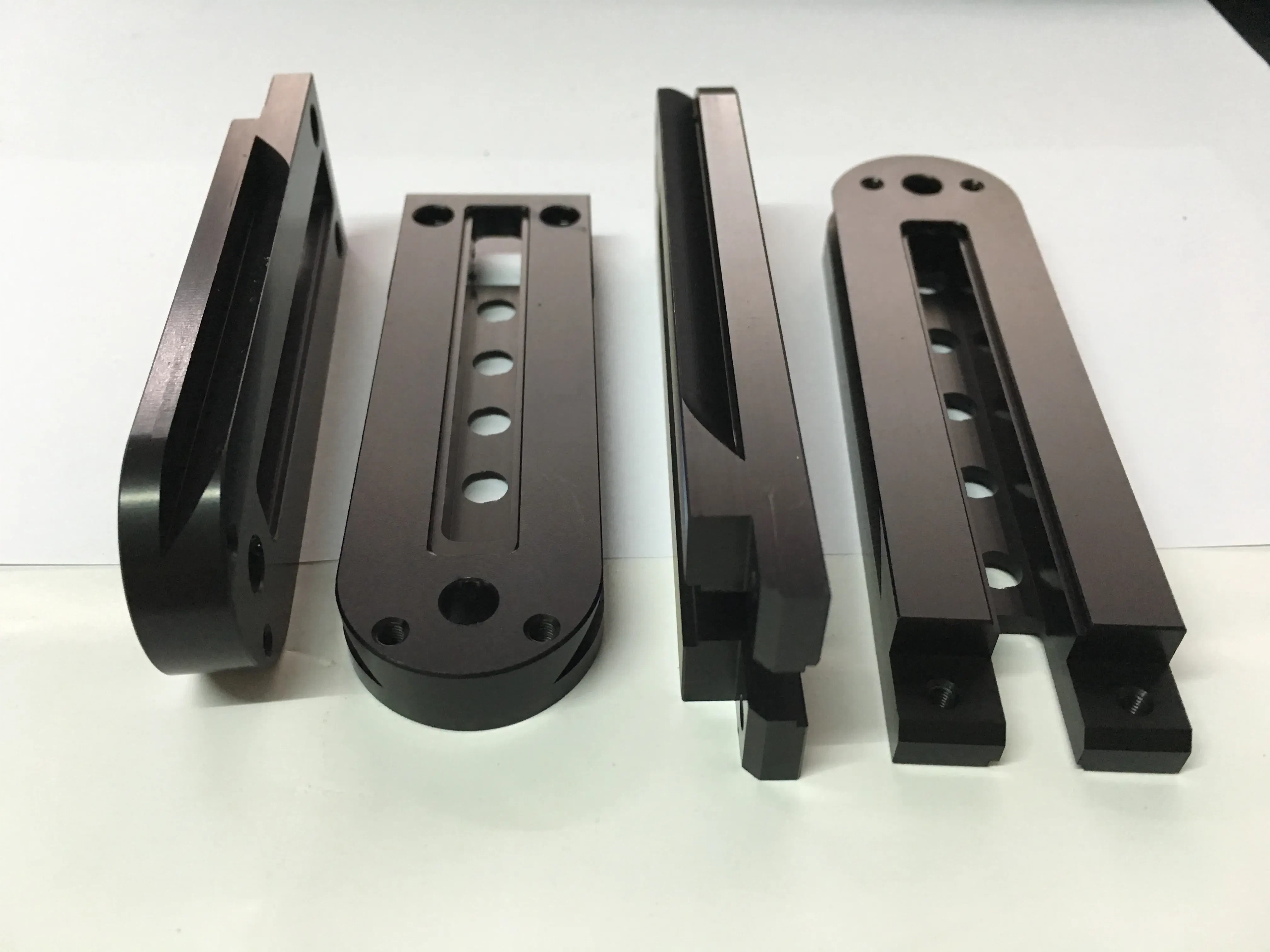
Double-side lapping seal parts are used in aerospace applications where high-precision sealing is required. They are typically used in hydraulic systems, fuel systems, and engine seals.

Function
Double-side lapping seal parts are designed to provide a tight and reliable seal between two mating surfaces. They are often used in applications where the sealing surfaces are subject to high pressures, temperatures, and vibrations.
Manufacturing Process
The manufacturing of double-side lapping seal parts involves a precision lapping process. The seal parts are lapped on both sides to achieve a high degree of flatness and parallelism. This ensures a tight seal and reduces the risk of leakage.
6. Non-standard Machining
In addition to the common mechanical parts mentioned above, aerospace applications often require non-standard machining to produce custom components. Non-standard machining involves the use of specialized tools and processes to manufacture parts that do not conform to standard specifications.
Examples of Non-standard Machining in Aerospace
- Complex Geometries: Aerospace components may have complex geometries that cannot be produced using standard machining methods. Non-standard machining techniques, such as electrical discharge machining (EDM) or laser cutting, can be used to create these complex shapes.
- Tight Tolerances: Aerospace parts often require tight tolerances to ensure proper fit and function. Non-standard machining processes, such as precision grinding or honing, can be used to achieve these tight tolerances.
Benefits of Non-standard Machining
Non-standard machining allows for the production of custom components that are tailored to the specific requirements of aerospace applications. It enables the use of advanced materials and designs, which can improve the performance and reliability of the aircraft.
As a Mechanical Parts Processing supplier, I understand the critical importance of providing high-quality mechanical parts for aerospace applications. Our team of experienced engineers and technicians uses the latest manufacturing technologies and processes to ensure that our parts meet the strictest quality standards. If you are in need of mechanical parts for aerospace processing, I encourage you to contact us for a consultation. We look forward to working with you to meet your specific needs.
References
- "Aerospace Materials and Processes" by John W. Dally and William F. Riley
- "Fundamentals of Machine Elements" by Robert C. Juvinall and Kurt M. Marshek
- "Mechanical Design of Machine Elements and Machines: A Failure Prevention Perspective" by Jack A. Collins and J. Edward Busby


