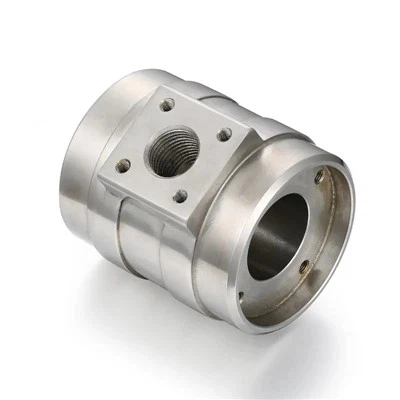
The automotive industry is in a state of rapid evolution, fueled by technological advancements and shifting consumer demands. As a leading supplier of Auto Parts CNC Components, I've had a front - row seat to the innovation trends shaping this sector. In this blog post, I'll explore the key innovation trends in auto parts CNC components and how they are revolutionizing the automotive industry.
1. Lightweighting through Advanced Materials
One of the most prominent trends in auto parts CNC components is the use of advanced materials to achieve lightweighting. As the automotive industry strives to improve fuel efficiency and reduce emissions, lightweight materials have become a top priority. CNC machining allows for the precise manufacturing of components from these materials, ensuring high - quality and performance.
Carbon fiber composites are at the forefront of this trend. These materials offer an excellent strength - to - weight ratio, making them ideal for applications where weight reduction is crucial without sacrificing structural integrity. For example, carbon fiber can be used to create CNC - machined engine components, suspension parts, and body panels. By replacing traditional steel or aluminum parts with carbon fiber composites, vehicles can achieve significant weight savings, leading to improved fuel economy and better handling.
Another material gaining traction is aluminum alloy. Aluminum is not only lightweight but also has good corrosion resistance. CNC machining of aluminum alloy auto parts can produce complex and precise shapes, such as engine blocks and transmission cases. The ability to machine aluminum alloy with high precision ensures that the parts meet the strict tolerances required for automotive applications.


2. Integration of Smart Technologies
The era of the smart car is upon us, and auto parts CNC components are no exception to this trend. Smart technologies are being integrated into various automotive components to enhance functionality, safety, and user experience.
Sensors are a key component of smart auto parts. CNC machining enables the production of highly accurate sensor housings and mounting brackets. These sensors can monitor a variety of parameters, such as tire pressure, engine temperature, and vehicle speed. By collecting and analyzing this data in real - time, the vehicle's onboard computer can make adjustments to optimize performance and prevent potential issues.
For instance, a smart suspension system can use sensors to detect road conditions and adjust the suspension settings accordingly. The CNC - machined components in this system, such as actuator housings and control valves, need to be manufactured with high precision to ensure reliable operation.
In addition, connectivity features are becoming more prevalent in auto parts. CNC - machined connectors and circuit boards are essential for enabling communication between different vehicle systems, as well as for connecting the vehicle to external networks. This connectivity allows for features like over - the - air software updates, remote vehicle monitoring, and integration with mobile devices.
3. Precision Manufacturing for Electric Vehicles (EVs)
The rise of electric vehicles has brought about new challenges and opportunities for auto parts CNC components. EVs have unique requirements for their components, and precision manufacturing is crucial to meet these demands.
Battery management systems (BMS) are a critical part of electric vehicles. CNC machining is used to produce components such as battery cell holders, cooling plates, and bus bars. These components need to be manufactured with extremely high precision to ensure the efficient and safe operation of the battery. For example, the cooling plates help regulate the temperature of the battery cells, and any deviation from the precise dimensions can lead to uneven cooling and reduced battery performance.
Electric motor components also require high - precision CNC machining. Stator and rotor laminations, as well as motor housings, need to be manufactured with tight tolerances to minimize energy losses and maximize motor efficiency. The use of advanced CNC machining techniques, such as multi - axis machining, allows for the production of complex geometries required for these components.
4. Sustainability in Manufacturing
Sustainability is a growing concern in the automotive industry, and auto parts CNC component suppliers are playing a role in addressing this issue. From raw material selection to the machining process, there are several ways to make the manufacturing of auto parts more sustainable.
Recycled materials are being increasingly used in CNC machining of auto parts. For example, recycled aluminum and steel can be used to produce components without sacrificing quality. This not only reduces the demand for virgin materials but also helps to minimize the environmental impact of the manufacturing process.
In addition, energy - efficient machining processes are being adopted. CNC machining centers are being equipped with advanced control systems that optimize energy consumption during the machining process. For example, these systems can adjust the spindle speed and feed rate based on the specific machining task, reducing energy waste.
5. Customization and On - Demand Manufacturing
Consumers today are looking for more personalized vehicles, and this trend is driving the demand for customized auto parts CNC components. CNC machining offers the flexibility to produce small batches of customized parts quickly and cost - effectively.
For automotive aftermarket applications, customers may require unique parts to modify or upgrade their vehicles. CNC machining allows suppliers to produce these custom parts based on the customer's specifications. Whether it's a custom - designed engine intake manifold or a personalized interior trim piece, CNC machining can bring these ideas to life.
On - demand manufacturing is also becoming more prevalent. With the use of advanced digital manufacturing technologies, such as 3D modeling and computer - aided manufacturing (CAM), suppliers can produce parts as needed, reducing inventory costs and lead times. This is particularly beneficial for automotive manufacturers who need to respond quickly to changes in market demand.
Related Industries and Their Influence
The innovation trends in auto parts CNC components are also influenced by other industries. For example, the Semiconductor CNC Components industry has a significant impact on the development of smart auto parts. The miniaturization and high - performance requirements of semiconductor components have inspired the development of more advanced sensors and control systems in the automotive industry.
Similarly, the Textile Machinery Parts Processing industry has contributed to the development of lightweight materials and precision manufacturing techniques. The experience gained in producing high - precision parts for textile machinery can be applied to the automotive industry, leading to more efficient and accurate CNC machining processes.
Conclusion and Call to Action
The innovation trends in auto parts CNC components are transforming the automotive industry. From lightweighting and smart technologies to precision manufacturing for EVs and sustainability, these trends are driving the development of more efficient, safe, and personalized vehicles.
As a supplier of auto parts CNC components, we are committed to staying at the forefront of these innovation trends. We have the expertise and state - of - the - art equipment to produce high - quality, innovative components that meet the evolving needs of the automotive industry.
If you are in the automotive industry and are looking for a reliable supplier of auto parts CNC components, we invite you to contact us for a procurement consultation. We can discuss your specific requirements and provide you with customized solutions that will help you stay competitive in the market.
References
- "Automotive Lightweight Materials Market: Global Industry Analysis, Size, Share, Growth, Trends, and Forecast 2021 - 2026", Market Research Future
- "Electric Vehicle Market - Global Industry Analysis, Size, Share, Growth, Trends, and Forecast 2022 - 2027", Fortune Business Insights
- "Smart Manufacturing in the Automotive Industry: A Review", Journal of Manufacturing Systems