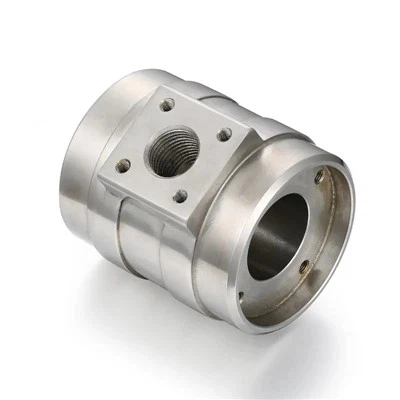
In the realm of mechanical engineering, cylinder barrel fine boring is a critical process that demands precision and accuracy. As a dedicated supplier of cylinder barrel fine boring services, I have witnessed firsthand the importance of understanding the tolerance range for this intricate machining operation. In this blog post, I will delve into the concept of tolerance range for cylinder barrel fine boring, exploring its significance, factors influencing it, and how we ensure the highest quality in our manufacturing processes.
Understanding Tolerance Range in Cylinder Barrel Fine Boring
Tolerance range refers to the allowable variation in the dimensions of a machined part from its specified design. In the context of cylinder barrel fine boring, it represents the acceptable deviation from the ideal inner diameter, roundness, straightness, and surface finish of the cylinder barrel. These tolerances are crucial as they directly impact the performance, efficiency, and longevity of the cylinder in various applications, such as automotive engines, hydraulic systems, and industrial machinery.
The tolerance range for cylinder barrel fine boring is typically defined by industry standards and customer specifications. For example, in automotive applications, the inner diameter tolerance of a cylinder barrel may be specified within a range of ±0.002 to ±0.005 inches, depending on the engine's design and performance requirements. Similarly, the roundness and straightness tolerances are also tightly controlled to ensure proper piston fit and smooth operation.
Factors Influencing the Tolerance Range
Several factors can influence the tolerance range for cylinder barrel fine boring. These include the material properties of the cylinder barrel, the machining equipment and techniques used, and the environmental conditions during the machining process.
Material Properties
The material of the cylinder barrel plays a significant role in determining the achievable tolerance range. Different materials have varying levels of hardness, ductility, and thermal expansion coefficients, which can affect the machining process and the final dimensions of the part. For example, cast iron cylinder barrels are commonly used in automotive engines due to their excellent wear resistance and thermal stability. However, they can be more challenging to machine compared to aluminum alloy cylinder barrels, which are lighter and more easily machined.
Machining Equipment and Techniques
The choice of machining equipment and techniques also has a direct impact on the tolerance range. High-precision boring machines equipped with advanced control systems and cutting tools are essential for achieving tight tolerances. Additionally, the use of proper machining techniques, such as multiple passes, coolant application, and tool compensation, can help minimize errors and ensure consistent quality.
Environmental Conditions
Environmental conditions, such as temperature and humidity, can also affect the tolerance range for cylinder barrel fine boring. Temperature fluctuations can cause the material to expand or contract, leading to dimensional changes. Therefore, it is important to maintain a stable environment during the machining process to minimize these effects.
Ensuring High-Quality Cylinder Barrel Fine Boring
As a supplier of cylinder barrel fine boring services, we are committed to delivering high-quality products that meet or exceed our customers' expectations. To achieve this, we have implemented a comprehensive quality control system that encompasses every stage of the manufacturing process.
Advanced Machining Equipment
We invest in state-of-the-art boring machines and cutting tools to ensure the highest level of precision and accuracy. Our machines are equipped with advanced control systems that allow us to monitor and adjust the machining parameters in real-time, ensuring consistent quality and tight tolerances.
Skilled Workforce
Our team of experienced machinists and engineers are highly skilled in the art of cylinder barrel fine boring. They undergo regular training and certification programs to stay updated with the latest industry trends and techniques. This ensures that they have the knowledge and expertise to produce high-quality cylinder barrels that meet the most demanding specifications.


Quality Control Measures
We have implemented a rigorous quality control process that includes in-process inspections, final inspections, and statistical process control. This allows us to detect and correct any potential issues early in the manufacturing process, ensuring that our products meet the highest quality standards.
Related Mechanical Processing Services
In addition to cylinder barrel fine boring, we also offer a range of other mechanical processing services, including Reducer Output Shaft Processing, Precision Planetary Carrier Processing, and Sealing Ring Turning. These services are designed to meet the diverse needs of our customers and provide them with a one-stop solution for their mechanical processing requirements.
Contact Us for Cylinder Barrel Fine Boring
If you are in need of high-quality cylinder barrel fine boring services, we invite you to contact us to discuss your specific requirements. Our team of experts will be happy to provide you with a detailed quote and answer any questions you may have. We look forward to working with you to deliver the best possible solutions for your mechanical processing needs.
References
- "Machining Handbook," Industrial Press Inc.
- "Manufacturing Engineering and Technology," S. Kalpakjian and S. Schmid
- "Fundamentals of Machining and Machine Tools," R. A. Hockin and W. B. Rowe