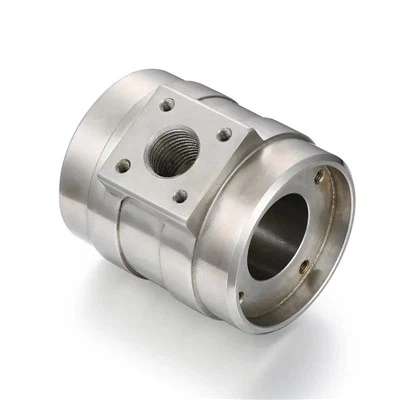
Hey there! As a supplier of CNC Lathe Precision Shaft Parts, I've seen firsthand how crucial it is to improve the corrosion resistance of these parts. Corrosion can lead to premature wear and tear, reduced performance, and even complete failure of the shaft parts. In this blog post, I'll share some practical tips on how to enhance the corrosion resistance of CNC lathe precision shaft parts.
Understanding the Causes of Corrosion
Before we dive into the solutions, it's important to understand what causes corrosion in the first place. Corrosion is a natural process that occurs when metal reacts with its environment. In the case of CNC lathe precision shaft parts, several factors can contribute to corrosion:
- Moisture: Water is one of the main culprits when it comes to corrosion. Moisture can cause oxidation, which leads to the formation of rust on the surface of the shaft parts.
- Chemicals: Exposure to chemicals such as acids, alkalis, and salts can accelerate the corrosion process. These chemicals can react with the metal and cause it to break down.
- Temperature: High temperatures can increase the rate of corrosion. When the temperature rises, the metal becomes more reactive, making it more susceptible to corrosion.
- Mechanical stress: Stress can cause microcracks in the metal, which can provide a pathway for moisture and chemicals to penetrate the surface and cause corrosion.
Choosing the Right Materials
One of the most effective ways to improve the corrosion resistance of CNC lathe precision shaft parts is to choose the right materials. Different metals have different levels of corrosion resistance, so it's important to select a material that is suitable for the specific application.
- Stainless steel: Stainless steel is a popular choice for CNC lathe precision shaft parts because it has excellent corrosion resistance. It contains chromium, which forms a protective layer on the surface of the metal, preventing it from rusting.
- Aluminum: Aluminum is another lightweight and corrosion-resistant material that is commonly used in CNC lathe precision shaft parts. It forms a thin oxide layer on the surface, which protects it from corrosion.
- Titanium: Titanium is a strong and lightweight metal that has excellent corrosion resistance. It is often used in high-performance applications where corrosion resistance is critical.
Surface Treatment
In addition to choosing the right materials, surface treatment can also play a significant role in improving the corrosion resistance of CNC lathe precision shaft parts. There are several surface treatment methods that can be used:


- Plating: Plating involves applying a thin layer of metal, such as chrome or nickel, to the surface of the shaft parts. This can provide a protective barrier against corrosion.
- Anodizing: Anodizing is a process that involves creating an oxide layer on the surface of the metal. This can improve the corrosion resistance and also enhance the appearance of the shaft parts.
- Coating: Coating involves applying a protective layer, such as paint or epoxy, to the surface of the shaft parts. This can provide an additional layer of protection against corrosion.
Proper Maintenance
Proper maintenance is essential for ensuring the long-term corrosion resistance of CNC lathe precision shaft parts. Here are some tips for maintaining your shaft parts:
- Clean regularly: Regular cleaning can help remove dirt, debris, and moisture from the surface of the shaft parts, reducing the risk of corrosion.
- Lubricate: Lubrication can help reduce friction and wear, which can also help prevent corrosion. Make sure to use a lubricant that is suitable for the specific application.
- Store properly: When not in use, store the shaft parts in a dry and clean environment. Avoid storing them in areas where they are exposed to moisture or chemicals.
Quality Control
Quality control is another important aspect of improving the corrosion resistance of CNC lathe precision shaft parts. By implementing a rigorous quality control process, you can ensure that the shaft parts meet the required standards and specifications.
- Inspection: Regular inspection of the shaft parts can help identify any signs of corrosion or damage. This can allow you to take corrective action before the problem becomes more serious.
- Testing: Testing the shaft parts for corrosion resistance can help ensure that they meet the required standards. This can involve subjecting the parts to various environmental conditions and measuring their performance.
Conclusion
Improving the corrosion resistance of CNC lathe precision shaft parts is essential for ensuring their long-term performance and reliability. By choosing the right materials, applying surface treatments, maintaining the parts properly, and implementing a rigorous quality control process, you can significantly enhance the corrosion resistance of your shaft parts.
If you're in the market for high-quality CNC Lathe Precision Shaft Parts, we're here to help. We offer a wide range of Custom Shaft Machining services, including CNC Lathe Piston Rod Parts and Ring Gear Machining. Contact us today to discuss your specific requirements and let's start a great partnership!
References
- Smith, J. (2020). Corrosion Prevention in Metalworking. Metalworking Magazine.
- Johnson, A. (2019). Surface Treatment Techniques for Corrosion Resistance. Journal of Materials Science.
- Brown, C. (2018). Choosing the Right Materials for CNC Machining. Machining Today.