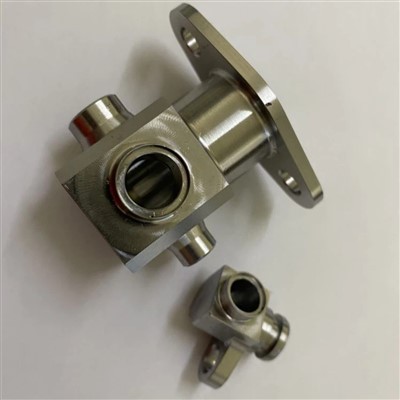
As a supplier of CNC Lathe Precision Shaft Parts, I've witnessed firsthand the critical role that cutting temperature plays in the machining process. The cutting temperature can significantly impact the quality, efficiency, and cost of producing precision shaft parts. In this blog, I'll delve into the various factors that affect the cutting temperature in CNC lathe precision shaft parts machining.
1. Cutting Parameters
Cutting Speed
Cutting speed is one of the most influential factors on cutting temperature. As the cutting speed increases, the frictional force between the cutting tool and the workpiece also increases, generating more heat. According to the research, the cutting temperature is approximately proportional to the 0.3 - 0.5 power of the cutting speed. For example, when machining a steel shaft, if the cutting speed is doubled, the cutting temperature may increase by about 30% - 50%. This is because at higher cutting speeds, the chips are removed more rapidly, but the heat generated cannot be dissipated quickly enough, leading to a rise in temperature.
Feed Rate
The feed rate also has a significant impact on the cutting temperature. A higher feed rate means more material is being removed per unit time, which increases the cutting force and, consequently, the heat generated. However, the relationship between the feed rate and the cutting temperature is not as straightforward as that of the cutting speed. Generally, the cutting temperature increases with the feed rate, but at a slower rate compared to the increase in cutting speed. For instance, when the feed rate is increased by a certain percentage, the cutting temperature may increase by a relatively smaller percentage.
Depth of Cut
The depth of cut affects the cutting temperature by changing the cross - sectional area of the cut. A larger depth of cut means more material is being removed in a single pass, which requires more energy and generates more heat. The cutting temperature is approximately proportional to the 0.1 - 0.2 power of the depth of cut. Compared to cutting speed and feed rate, the depth of cut has a relatively smaller impact on the cutting temperature. However, it still cannot be ignored, especially when machining large - diameter shafts.


2. Tool Geometry
Rake Angle
The rake angle of the cutting tool is an important factor affecting the cutting temperature. A positive rake angle reduces the cutting force by making the chip flow more smoothly. When the rake angle is increased, the cutting force decreases, and less heat is generated during the cutting process. However, if the rake angle is too large, the tool's strength may be reduced, leading to premature tool wear. For example, in the machining of aluminum precision shaft parts, a larger positive rake angle can effectively reduce the cutting temperature and improve the surface quality of the workpiece.
Clearance Angle
The clearance angle of the cutting tool prevents the flank of the tool from rubbing against the workpiece. A proper clearance angle reduces friction and heat generation. If the clearance angle is too small, the flank of the tool will rub against the workpiece, increasing the cutting temperature and accelerating tool wear. On the other hand, if the clearance angle is too large, the tool's strength may be compromised.
Tool Nose Radius
The tool nose radius affects the cutting temperature by influencing the cutting force and the contact area between the tool and the workpiece. A larger tool nose radius increases the contact area, which can lead to more heat generation. However, a larger tool nose radius also improves the surface finish of the workpiece. Therefore, a balance needs to be struck between the tool nose radius and the cutting temperature.
3. Workpiece Material
Thermal Conductivity
The thermal conductivity of the workpiece material plays a crucial role in determining the cutting temperature. Materials with high thermal conductivity, such as aluminum, can dissipate heat more quickly during the cutting process, resulting in lower cutting temperatures. In contrast, materials with low thermal conductivity, such as stainless steel, tend to retain heat, leading to higher cutting temperatures. For example, when machining an aluminum shaft, the heat generated during cutting can be quickly transferred away from the cutting zone, while when machining a stainless - steel shaft, the heat accumulates in the cutting zone, causing the temperature to rise.
Hardness
The hardness of the workpiece material also affects the cutting temperature. Harder materials require more cutting force to remove, which generates more heat. For instance, when machining a hardened steel shaft, the cutting temperature is generally higher compared to machining a softer steel shaft. This is because the cutting tool has to overcome greater resistance when cutting through the hard material.
4. Cooling and Lubrication
Coolant Type
The type of coolant used in the machining process can significantly affect the cutting temperature. Water - based coolants are commonly used due to their good cooling properties. They can absorb and carry away heat from the cutting zone, reducing the cutting temperature. Oil - based coolants, on the other hand, provide better lubrication, which can reduce friction and heat generation. Some advanced coolants are formulated to have both excellent cooling and lubricating properties.
Coolant Flow Rate
The flow rate of the coolant is also important. A higher flow rate can ensure that the coolant reaches the cutting zone effectively, removing heat and chips. If the coolant flow rate is too low, the heat cannot be dissipated quickly enough, leading to an increase in the cutting temperature.
5. Machine Tool Conditions
Rigidity
The rigidity of the machine tool affects the cutting temperature. A rigid machine tool can better withstand the cutting forces, reducing vibration and ensuring a stable cutting process. When the machine tool is not rigid enough, vibration occurs during cutting, which increases the cutting force and heat generation. For example, in a CNC lathe with poor rigidity, the cutting temperature may be higher than that in a well - designed and rigid machine tool.
Spindle Accuracy
The accuracy of the spindle also plays a role in the cutting temperature. A precise spindle can ensure that the cutting tool rotates accurately, reducing the deviation and friction during cutting. If the spindle has poor accuracy, the cutting tool may not cut evenly, leading to increased cutting force and heat generation.
In the process of machining CNC Lathe Precision Shaft Parts, different machining processes also have an impact on the cutting temperature. For example, Sealing Ring Turning requires high - precision control of cutting parameters to maintain a stable cutting temperature. Similarly, Cylinder Barrel Fine Boring and CNC Lathe Flange Parts machining also need to consider the factors affecting the cutting temperature to ensure the quality of the parts.
Understanding the factors that affect the cutting temperature in CNC lathe precision shaft parts machining is crucial for improving the quality and efficiency of production. By optimizing cutting parameters, tool geometry, and using appropriate cooling and lubrication methods, we can effectively control the cutting temperature and produce high - quality precision shaft parts.
If you are interested in our CNC Lathe Precision Shaft Parts or have any questions about the machining process, please feel free to contact us for procurement and negotiation. We are committed to providing you with the best products and services.
References
- Smith, J. (2018). Machining Technology: An Introduction. Wiley.
- Jones, R. (2019). Cutting Tool Engineering. Industrial Press.
- Brown, A. (2020). Fundamentals of Manufacturing Processes. McGraw - Hill.