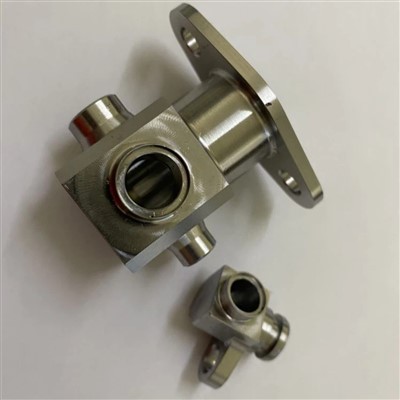
As a supplier of CNC Lathe Precision Shaft Parts, I've been deeply involved in the world of high - speed machining. High - speed machining of CNC lathe precision shaft parts is a game - changer in the manufacturing industry, offering greater efficiency, precision, and cost - effectiveness. But what kind of materials are suitable for this high - speed machining? Let's dive into it.
1. High Hardness and Wear Resistance
Materials with high hardness are crucial for high - speed machining of precision shaft parts. When the CNC lathe is working at high speeds, the cutting tools encounter significant forces and friction. A material that can withstand this without deforming or wearing out quickly is essential. For example, alloy steels are a popular choice. They have a high carbon content and other alloying elements like chromium, nickel, and molybdenum, which increase their hardness and wear resistance.
Take our Reducer Output Shaft Processing for instance. These shafts often need to operate under high - stress conditions, and alloy steels can handle the high - speed machining process while maintaining their shape and performance. The high hardness of the alloy steel ensures that the shaft can resist wear from continuous contact with other components in the reducer.
2. Good Thermal Conductivity
Another important property is good thermal conductivity. During high - speed machining, a large amount of heat is generated due to the friction between the cutting tool and the material. If the material has poor thermal conductivity, the heat will accumulate in the cutting area, leading to tool wear, dimensional inaccuracies, and even damage to the part.
Materials like aluminum alloys are known for their excellent thermal conductivity. They can quickly dissipate the heat generated during high - speed machining, keeping the cutting area at a relatively low temperature. This not only extends the tool life but also improves the surface finish of the CNC Lathe Precision Shaft Parts. When machining aluminum alloy shafts, the heat is efficiently transferred away from the cutting zone, reducing the risk of thermal deformation and ensuring high - quality parts.
3. Machinability
Machinability is a key factor when choosing materials for high - speed machining. A material with good machinability can be easily cut, shaped, and finished, reducing the machining time and cost. Free - machining steels are a great example. They contain elements like sulfur, lead, or selenium, which improve chip formation and reduce cutting forces.
In high - speed machining of precision shaft parts, the ability to produce chips that break easily is crucial. Free - machining steels allow for smooth chip flow, preventing chip jams and reducing the load on the cutting tool. This results in faster machining speeds and better surface quality. For our CNC Lathe Flange Parts, using free - machining steels can significantly improve the production efficiency.
4. Dimensional Stability
Dimensional stability is vital for precision shaft parts. During high - speed machining, the material should maintain its shape and dimensions within tight tolerances. Materials with low coefficients of thermal expansion are preferred. For example, some types of ceramics have extremely low thermal expansion coefficients.
When machining precision shafts, any change in dimensions due to temperature variations can lead to assembly problems and affect the performance of the final product. Ceramics can withstand high - speed machining without significant dimensional changes, ensuring that the shaft parts meet the required specifications.
5. Chemical Resistance
In some applications, the precision shaft parts may be exposed to various chemicals. Materials with good chemical resistance are necessary to prevent corrosion and degradation. Stainless steels are well - known for their excellent chemical resistance. They contain chromium, which forms a passive oxide layer on the surface, protecting the material from corrosion.
If the CNC Lathe Precision Shaft Parts are used in a chemical - rich environment, such as in the chemical or food processing industries, stainless steels can ensure the long - term performance and reliability of the parts.
6. Toughness
Toughness is the ability of a material to absorb energy and deform plastically before fracturing. In high - speed machining, the material may experience sudden impacts and vibrations. A tough material can withstand these forces without breaking. For example, titanium alloys are known for their high toughness.
Titanium alloys have a unique combination of strength and ductility, making them suitable for high - speed machining of precision shaft parts. They can handle the dynamic loads during machining and still maintain their integrity. This is especially important for applications where the shaft parts are subject to high - stress conditions, such as in aerospace or automotive industries.
Why Choose Us as Your Supplier
As a supplier of CNC Lathe Precision Shaft Parts, we have extensive experience in working with a variety of materials. We understand the unique properties of each material and how to optimize the high - speed machining process to achieve the best results. Our team of experts is dedicated to providing high - quality parts that meet your specific requirements.
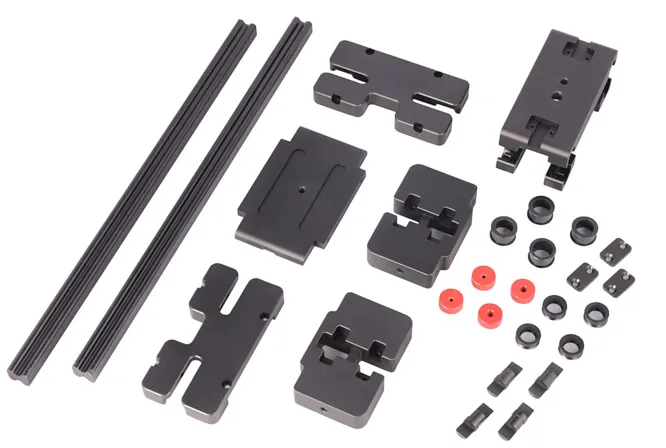

Whether you need Reducer Output Shaft Processing, CNC Lathe Precision Shaft Parts, or CNC Lathe Flange Parts, we can offer you cost - effective solutions. We use the latest CNC lathe technology and strict quality control measures to ensure that every part we produce meets the highest standards.
If you're in the market for high - quality CNC Lathe Precision Shaft Parts, we'd love to have a chat with you. Contact us to discuss your requirements and start a partnership that will bring your projects to the next level.
References
- "Machining of Metals: An Introduction to the Fundamentals of Cutting and Grinding" by Paul DeGarmo, J. T. Black, and Ronald Kohser.
- "Materials Science and Engineering: An Introduction" by William D. Callister, Jr. and David G. Rethwisch.