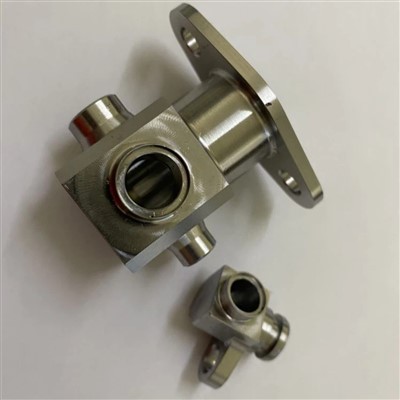
When it comes to gear processing, selecting the right materials is crucial for ensuring the performance, durability, and reliability of the gears. As a professional gear processing supplier, we understand the importance of this decision and have extensive experience in working with various materials. In this blog, we will explore the different materials suitable for gear processing, their characteristics, and applications.
Steel
Steel is one of the most commonly used materials for gear processing due to its high strength, good toughness, and excellent wear resistance. There are several types of steel that are particularly well - suited for gears:
Carbon Steel
Carbon steel is a popular choice for gears because of its relatively low cost and good mechanical properties. Low - carbon steels (with carbon content less than 0.3%) are often used for gears that require good ductility and formability. They can be easily machined and are suitable for applications where the load is not extremely high, such as in some small - scale machinery.
Medium - carbon steels (carbon content between 0.3% and 0.6%) offer a good balance between strength and ductility. They can be heat - treated to improve their hardness and wear resistance, making them suitable for a wide range of gear applications, from automotive transmissions to industrial machinery.
High - carbon steels (carbon content greater than 0.6%) are very hard and have high wear resistance. However, they are also more brittle compared to low - and medium - carbon steels. High - carbon steel gears are often used in applications where high - precision and high - load capacity are required, such as in some heavy - duty industrial equipment.
Alloy Steel
Alloy steels are steels that have been alloyed with other elements such as chromium, nickel, molybdenum, and vanadium to enhance their properties. For example, chromium - nickel alloy steels offer excellent corrosion resistance in addition to high strength and toughness. These steels are often used in gears for marine applications or in environments where corrosion is a concern.
Molybdenum - alloyed steels have good hardenability, which means they can be heat - treated to achieve a high level of hardness throughout the gear. This makes them suitable for gears that need to withstand high loads and high - speed operation, such as in aircraft engines and high - performance automotive transmissions.
Cast Iron
Cast iron is another material that is widely used in gear processing, especially for applications where cost - effectiveness and good damping properties are important.
Gray Cast Iron
Gray cast iron is known for its good machinability, low cost, and excellent damping capacity. The graphite flakes in gray cast iron act as lubricants, which helps to reduce friction and wear during gear operation. Gray cast iron gears are commonly used in low - speed, low - load applications such as agricultural machinery and some small - scale power transmission systems.
Ductile Cast Iron
Ductile cast iron, also known as nodular cast iron, has better mechanical properties than gray cast iron. The graphite in ductile cast iron is in the form of nodules, which gives it higher strength, toughness, and ductility. Ductile cast iron gears can be used in applications where higher loads are involved, such as in some industrial gearboxes.
Non - Ferrous Metals
Non - ferrous metals are also used in gear processing, especially when specific properties such as corrosion resistance, light weight, or non - magnetic characteristics are required.


Aluminum
Aluminum alloys are lightweight and have good corrosion resistance. They are often used in applications where weight reduction is a priority, such as in aerospace and automotive industries. However, aluminum gears have lower strength and wear resistance compared to steel gears. To improve their performance, aluminum gears can be surface - treated or heat - treated. For example, anodizing can improve the surface hardness and corrosion resistance of aluminum gears.
Brass
Brass is an alloy of copper and zinc. It has good machinability, corrosion resistance, and low friction coefficient. Brass gears are often used in applications where noise reduction and corrosion resistance are important, such as in some precision instruments and electrical equipment.
Plastics
Plastics are increasingly being used in gear processing due to their unique advantages, such as low cost, light weight, self - lubrication, and noise reduction.
Nylon
Nylon is a popular plastic material for gears. It has high strength, good wear resistance, and self - lubricating properties. Nylon gears can operate quietly and are suitable for applications where noise reduction is required, such as in consumer electronics and small - scale machinery. They can also be used in applications where corrosion resistance is important, as nylon is resistant to many chemicals.
Polyoxymethylene (POM)
POM, also known as acetal, has excellent dimensional stability, low friction coefficient, and high stiffness. POM gears are often used in high - precision applications, such as in the Medical Device CNC Machining industry, where accurate gear meshing is crucial.
Applications of Different Gear Materials
The choice of gear material depends on the specific application requirements. Here are some examples:
- Automotive Industry: In automotive transmissions, alloy steel gears are commonly used because they can withstand high loads and high - speed operation. For some auxiliary systems, such as power windows and windshield wipers, plastic gears may be used to reduce weight and cost.
- Printing Equipment Parts Processing: Gears in printing equipment need to operate smoothly and quietly. Brass and plastic gears are often used in these applications due to their low friction and noise - reducing properties.
- Hydraulic Support Rod Processing: Steel gears are typically used in hydraulic systems because they can withstand the high pressures and loads involved in the operation of hydraulic support rods.
Conclusion
Selecting the right material for gear processing is a complex decision that requires careful consideration of the application requirements, performance expectations, and cost factors. As a professional gear processing supplier, we have the expertise and experience to help you choose the most suitable material for your gears. Whether you need high - strength steel gears for heavy - duty applications or lightweight plastic gears for consumer products, we can provide you with high - quality gear processing services.
If you are interested in our gear processing services or have any questions about gear materials, please feel free to contact us for procurement and further discussions. We look forward to working with you to meet your gear processing needs.
References
- "Materials Science and Engineering: An Introduction" by William D. Callister Jr. and David G. Rethwisch
- "Gear Design and Application" by Dudley, Darle W.
- Industry reports on gear manufacturing and materials selection.