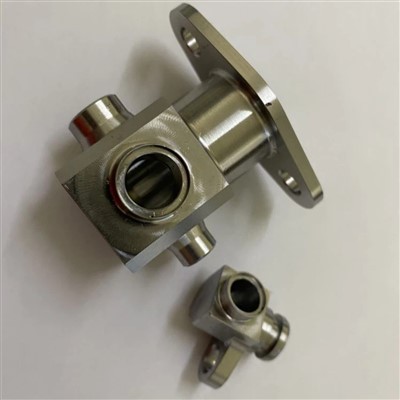
Hey there! As a supplier of non - standard hardware components, I often get asked about all sorts of technical questions. One that comes up quite a bit is, "Do non - standard hardware components need grounding?" Let's dig into this topic and see what we can find out.
First off, let me give you a quick rundown of what non - standard hardware components are. These are parts that aren't mass - produced to a standard specification. They're custom - made for specific applications, and they can be found in all sorts of industries, from Hydraulic Manifold Machining to Medical Device CNC Machining and Hydraulic Valve Components.
Now, let's talk about grounding. Grounding is basically connecting an electrical circuit or equipment to the earth. It's like giving electricity a safe path to flow in case something goes wrong. In standard electrical systems, grounding is a no - brainer. It helps protect people from electric shocks and prevents damage to equipment. But what about non - standard hardware components?
Well, the answer isn't always straightforward. It depends on a few factors. One of the main factors is the type of component and its function. If a non - standard component is part of an electrical system, then grounding is probably a good idea. For example, if it's a custom - made circuit board that's going to be used in a high - voltage application, grounding can help prevent electrical interference and protect the component from damage.


Let's say you're working on a Hydraulic Manifold Machining project. Some of the components in a hydraulic manifold might have electrical sensors or control systems. These electrical parts need to be grounded to ensure proper operation and to protect against electrical faults. If they're not grounded, there could be issues with signal interference, which can lead to inaccurate readings or even system failures.
On the other hand, not all non - standard hardware components need grounding. Some components might be purely mechanical and have no electrical connection at all. For instance, a custom - made gear or a bracket that's used in a mechanical assembly doesn't require grounding. These components are designed to operate based on mechanical forces, and there's no risk of electrical shock or interference.
Another factor to consider is the environment in which the component will be used. If the component is going to be used in a harsh environment, such as a factory floor with a lot of electrical noise, grounding can be crucial. Electrical noise can cause problems for sensitive components, and grounding can help reduce the impact of this noise.
For example, in Medical Device CNC Machining, medical devices often have very sensitive electronic components. These components need to be protected from electrical interference to ensure accurate and reliable operation. Grounding can help create a stable electrical environment and prevent any disruptions that could affect the performance of the medical device.
Let's also think about safety. Grounding is an important safety measure. In case of a short - circuit or an electrical fault, grounding provides a path for the electrical current to flow safely to the ground. This can prevent electrical shocks to people who are using or working around the equipment. So, even if a non - standard component doesn't strictly require grounding for its normal operation, it might still be a good idea to ground it for safety reasons.
Now, let's talk about how to ground non - standard hardware components. The process can vary depending on the component and the application. In some cases, it might be as simple as connecting a wire from the component to a grounding rod or a grounding bus. However, for more complex components, it might require a more detailed grounding scheme.
For example, if you're dealing with a custom - made electronic device, you might need to design a proper grounding system that takes into account the layout of the circuit board and the electrical characteristics of the component. This might involve using grounding planes, shielding, and other techniques to ensure effective grounding.
As a supplier of non - standard hardware components, I understand the importance of getting grounding right. That's why we work closely with our customers to understand their specific needs and provide them with the best solutions. Whether it's a component for Hydraulic Valve Components or a custom - made medical device part, we make sure that the components are designed and manufactured with grounding in mind, if it's required.
If you're in the market for non - standard hardware components and you're not sure whether grounding is necessary for your application, don't hesitate to reach out to us. We have a team of experts who can help you determine the best course of action. We can also provide you with detailed technical information and support to ensure that your components work safely and effectively.
In conclusion, while not all non - standard hardware components need grounding, it's an important consideration for many applications. Whether it's for electrical performance, safety, or protection against interference, grounding can play a crucial role in the proper operation of non - standard components. So, if you're thinking about using non - standard hardware components in your project, make sure to think about grounding and how it can benefit your application.
If you're interested in learning more about our non - standard hardware components or have any questions about grounding, feel free to contact us. We're here to help you find the right solutions for your needs.
References:
- Electrical Engineering textbooks on grounding principles
- Industry standards and guidelines for electrical safety in different sectors such as medical and hydraulic industries.