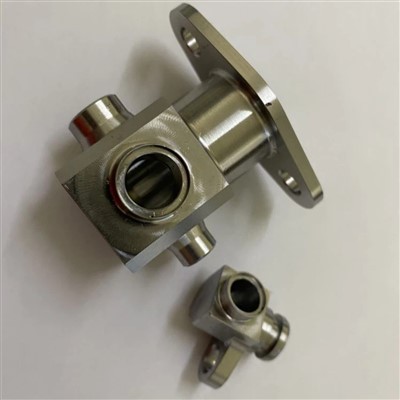
Hey there! I'm a supplier in the valve body CNC machining business. In this blog, I'm gonna share with you how to handle burrs in valve body CNC machining.
Understanding Burrs in Valve Body CNC Machining
First off, let's talk about what burrs are. Burrs are those unwanted bits of material that stick out after the machining process. They can be a real pain in the neck, especially in valve body machining. Valves are super important components, and even the tiniest burr can mess up their performance.
Burrs can form in different ways during CNC machining. When the cutting tool interacts with the valve body material, it can cause chips to break off unevenly, leaving behind burrs. The type of material used for the valve body also plays a role. For example, softer materials like aluminum are more likely to form burrs compared to harder materials like stainless steel.
Why Burrs Are a Problem
Burrs can cause a whole bunch of issues. In valve bodies, they can affect the sealing performance. If there are burrs on the valve seat or the valve stem, it can prevent a proper seal, leading to leaks. This is a big no - no, especially in applications where fluid or gas tightness is crucial.
Burrs can also cause problems during assembly. They can get in the way and make it difficult to fit the valve body components together properly. And over time, these burrs can cause wear and tear on other parts, reducing the overall lifespan of the valve.
Preventing Burrs During Machining
One of the best ways to handle burrs is to prevent them from forming in the first place. Here are some tips:
Tool Selection
Choosing the right cutting tool is key. You want a tool that is sharp and has the right geometry for the job. A dull tool is more likely to cause burrs because it doesn't cut cleanly. For valve body machining, carbide tools are often a good choice. They are hard and can maintain their sharpness for longer periods.
Cutting Parameters
The cutting parameters, such as cutting speed, feed rate, and depth of cut, also have a big impact on burr formation. If the cutting speed is too high, it can cause the material to heat up and form burrs. On the other hand, if the feed rate is too low, it can lead to a rough cut and more burrs. You need to find the right balance for the specific valve body material and machining operation.

Workholding
Proper workholding is essential. If the valve body is not held securely during machining, it can move around, causing uneven cuts and burrs. Make sure the workholding device is tight and stable.
Removing Burrs After Machining
Even with the best prevention methods, some burrs may still form. So, how do you get rid of them?
Manual Deburring
Manual deburring is a common method. It involves using hand tools like files, scrapers, and sandpaper to remove the burrs. This method is good for small - scale production or for removing burrs in hard - to - reach areas. However, it can be time - consuming and requires a lot of skill.
Mechanical Deburring
Mechanical deburring uses machines to remove burrs. There are different types of mechanical deburring machines, such as tumbling machines and vibratory finishing machines. Tumbling machines work by placing the valve bodies in a container with abrasive media and rotating it. The abrasive media rubs against the valve bodies, removing the burrs. Vibratory finishing machines use vibration to move the abrasive media and remove burrs.
Chemical Deburring
Chemical deburring involves using chemicals to dissolve the burrs. This method is suitable for complex - shaped valve bodies where manual or mechanical deburring may be difficult. However, it requires careful handling of the chemicals and proper disposal.
The Role of Quality Control
Quality control is crucial in handling burrs. After machining and deburring, you need to inspect the valve bodies to make sure all the burrs are removed. You can use visual inspection, measuring tools, or even non - destructive testing methods to check for burrs.
Our Services as a Valve Body CNC Machining Supplier
As a valve body CNC machining supplier, we have a lot of experience in handling burrs. We use the latest technology and techniques to prevent and remove burrs from our valve bodies. Our team of experts is always on top of the latest trends in CNC machining and deburring.
We also offer other related services. For example, we provide Reducer Housing Processing and Aluminum Alloy Non - standard Parts machining. If you're interested in Valve Body CNC Machining, we'd love to work with you.
Contact Us for Procurement
If you're in the market for high - quality valve bodies or other CNC - machined components, don't hesitate to reach out. We're here to provide you with the best products and services. Whether you have a small - scale project or a large - scale production order, we can handle it. Let's start a conversation and see how we can meet your needs.
References
- "CNC Machining Handbook"
- "Manufacturing Processes for Engineering Materials"
- Industry research reports on valve body machining and deburring