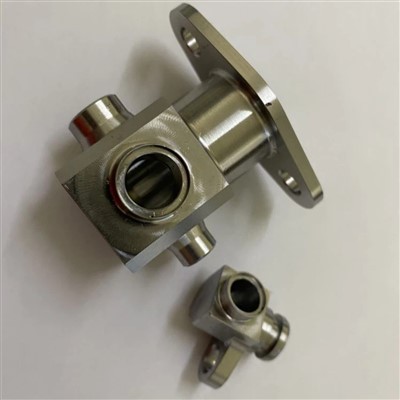
In the highly competitive automotive industry, the machining efficiency of Auto Parts CNC Lathe Parts is a critical factor that directly impacts production costs, product quality, and overall business competitiveness. As a supplier of Auto Parts CNC Lathe Parts, I have witnessed firsthand the various factors that can influence machining efficiency. In this blog post, I will delve into these factors and discuss how they can be optimized to enhance productivity.
Machine Tool Performance
The performance of the CNC lathe itself is a fundamental factor affecting machining efficiency. High - precision and high - speed lathes can significantly reduce machining time. Modern CNC lathes are equipped with advanced control systems that allow for precise control of cutting parameters such as spindle speed, feed rate, and depth of cut. For example, a lathe with a high - speed spindle can rotate at a much faster rate, enabling quicker material removal. Additionally, the rigidity of the machine tool is crucial. A rigid lathe can withstand higher cutting forces without vibration, which not only improves the surface finish of the parts but also allows for more aggressive cutting parameters, thus increasing efficiency.
Cutting Tools
The choice of cutting tools has a profound impact on machining efficiency. High - quality cutting tools made from advanced materials such as carbide can maintain sharp edges for longer periods, reducing the frequency of tool changes. Different cutting tools are designed for specific materials and machining operations. For instance, when machining aluminum auto parts, a tool with a high rake angle can be used to reduce cutting forces and improve chip evacuation. Moreover, the geometry of the cutting tool, such as the number of flutes and the shape of the cutting edge, can also affect the cutting performance. Using the right cutting tool can lead to faster cutting speeds, better surface quality, and longer tool life, all of which contribute to increased machining efficiency.
Workpiece Material
The properties of the workpiece material play a significant role in machining efficiency. Materials with high hardness, such as hardened steel, require more cutting force and slower cutting speeds, which can increase machining time. On the other hand, softer materials like aluminum can be machined at higher speeds. The machinability of a material is also affected by its microstructure. For example, materials with a uniform grain structure are generally easier to machine than those with a heterogeneous structure. As a supplier, we need to understand the material requirements of our customers and select the appropriate machining processes and tools accordingly.
Programming and Process Planning
Efficient programming and process planning are essential for maximizing machining efficiency. A well - designed CNC program can optimize the cutting path, reduce idle time, and minimize tool changes. Advanced programming techniques, such as high - speed machining (HSM) and adaptive machining, can significantly improve productivity. HSM involves using high cutting speeds and feed rates while maintaining a small depth of cut, which can reduce machining time without sacrificing surface quality. Adaptive machining adjusts the cutting parameters in real - time based on the actual cutting conditions, ensuring optimal performance. Additionally, proper process planning includes determining the sequence of operations, selecting the right fixtures, and setting up the machine correctly.


Operator Skill and Training
The skill and training of the machine operator are crucial factors in machining efficiency. An experienced operator can make better decisions regarding cutting parameters, tool selection, and machine setup. They can also identify and troubleshoot problems quickly, minimizing downtime. Regular training programs can keep operators updated with the latest machining techniques and technologies. For example, training on the use of new CNC control systems can enable operators to take full advantage of the machine's capabilities. Moreover, a skilled operator can optimize the machining process based on their practical experience, leading to improved efficiency and quality.
Maintenance and Upkeep
Regular maintenance of the CNC lathe is essential for ensuring optimal performance. A well - maintained machine has fewer breakdowns, which reduces downtime and increases productivity. Maintenance tasks include cleaning, lubricating, and inspecting the machine components regularly. For example, checking the alignment of the spindle and the linear guides can prevent inaccuracies in machining. Additionally, replacing worn - out parts in a timely manner can extend the life of the machine and maintain its efficiency. Upgrading the machine with the latest software and hardware can also improve its performance and functionality.
Supply Chain and Logistics
Efficient supply chain management is vital for the machining efficiency of Auto Parts CNC Lathe Parts. Ensuring a steady supply of raw materials, cutting tools, and other consumables is crucial to avoid production delays. A reliable supplier network can provide high - quality materials at competitive prices. Moreover, effective logistics can reduce the lead time for receiving materials and delivering finished parts. For example, implementing just - in - time (JIT) inventory management can minimize inventory costs and improve production efficiency.
Quality Control
Quality control is an integral part of the machining process. By ensuring that the parts meet the required quality standards, we can avoid rework and scrap, which can significantly improve efficiency. Implementing a comprehensive quality control system, including in - process inspection and final inspection, can detect and correct any issues early in the production process. For example, using coordinate measuring machines (CMMs) to measure the dimensions of the parts can ensure high precision. Quality control also involves monitoring the cutting process to ensure that the cutting parameters are within the specified range.
Industry Trends and Technological Advancements
Staying updated with the latest industry trends and technological advancements is essential for improving machining efficiency. New technologies such as automation, robotics, and artificial intelligence are revolutionizing the manufacturing industry. For example, automated loading and unloading systems can reduce the idle time of the machine, while robotic machining cells can perform complex operations with high precision. Artificial intelligence can be used to optimize the cutting process by analyzing large amounts of data and making real - time adjustments. As a supplier, we need to invest in these technologies to stay competitive in the market.
In conclusion, the machining efficiency of Auto Parts CNC Lathe Parts is influenced by a multitude of factors, including machine tool performance, cutting tools, workpiece material, programming, operator skill, maintenance, supply chain, quality control, and technological advancements. By optimizing these factors, we can improve productivity, reduce costs, and enhance the quality of our products. As a supplier of CNC Machined Car Parts, we are committed to continuously improving our machining processes to meet the evolving needs of our customers. We also offer Communication Equipment CNC Lathe Parts with the same high - quality standards.
If you are interested in our Auto Parts CNC Lathe Parts or have any questions regarding machining efficiency, please feel free to contact us for procurement and further discussions. We look forward to partnering with you to achieve mutual success.
References
- Smith, J. (2018). CNC Machining Handbook. Industrial Press.
- Jones, A. (2020). Advanced Cutting Tools for CNC Machining. Machining Technology Journal.
- Brown, C. (2019). Quality Control in CNC Machining. Manufacturing Quality Review.