

As a supplier in the field of non - standard machining, I am often asked about the international standards for non - standard machining. In this blog, I will delve into these standards, which are crucial for ensuring the quality and consistency of our products.
Understanding Non - Standard Machining
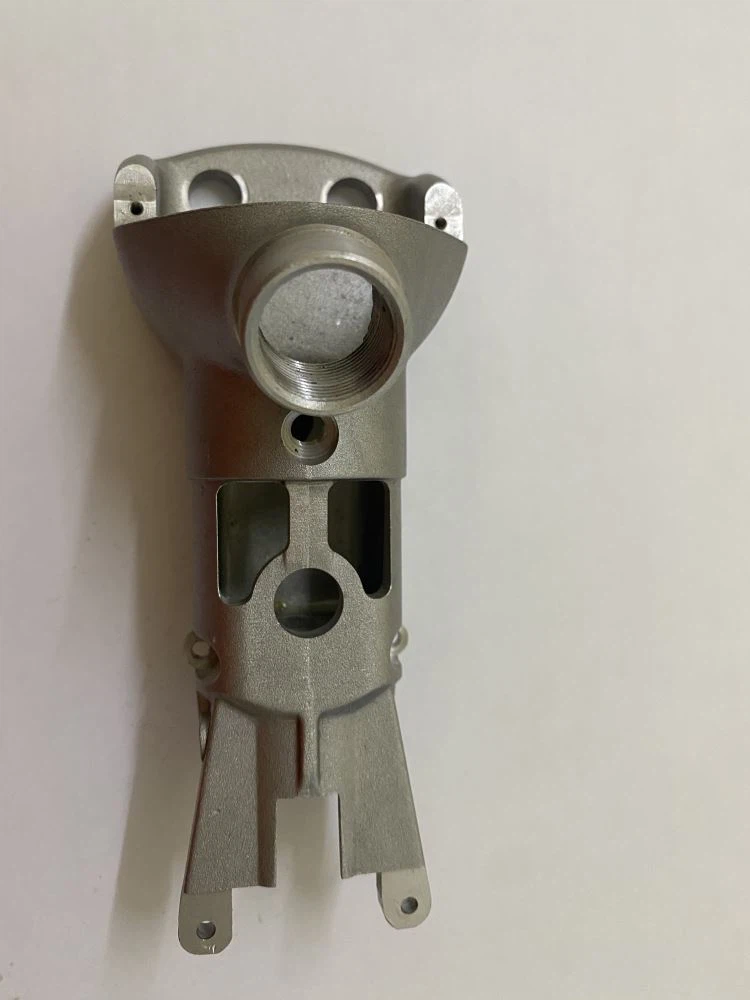
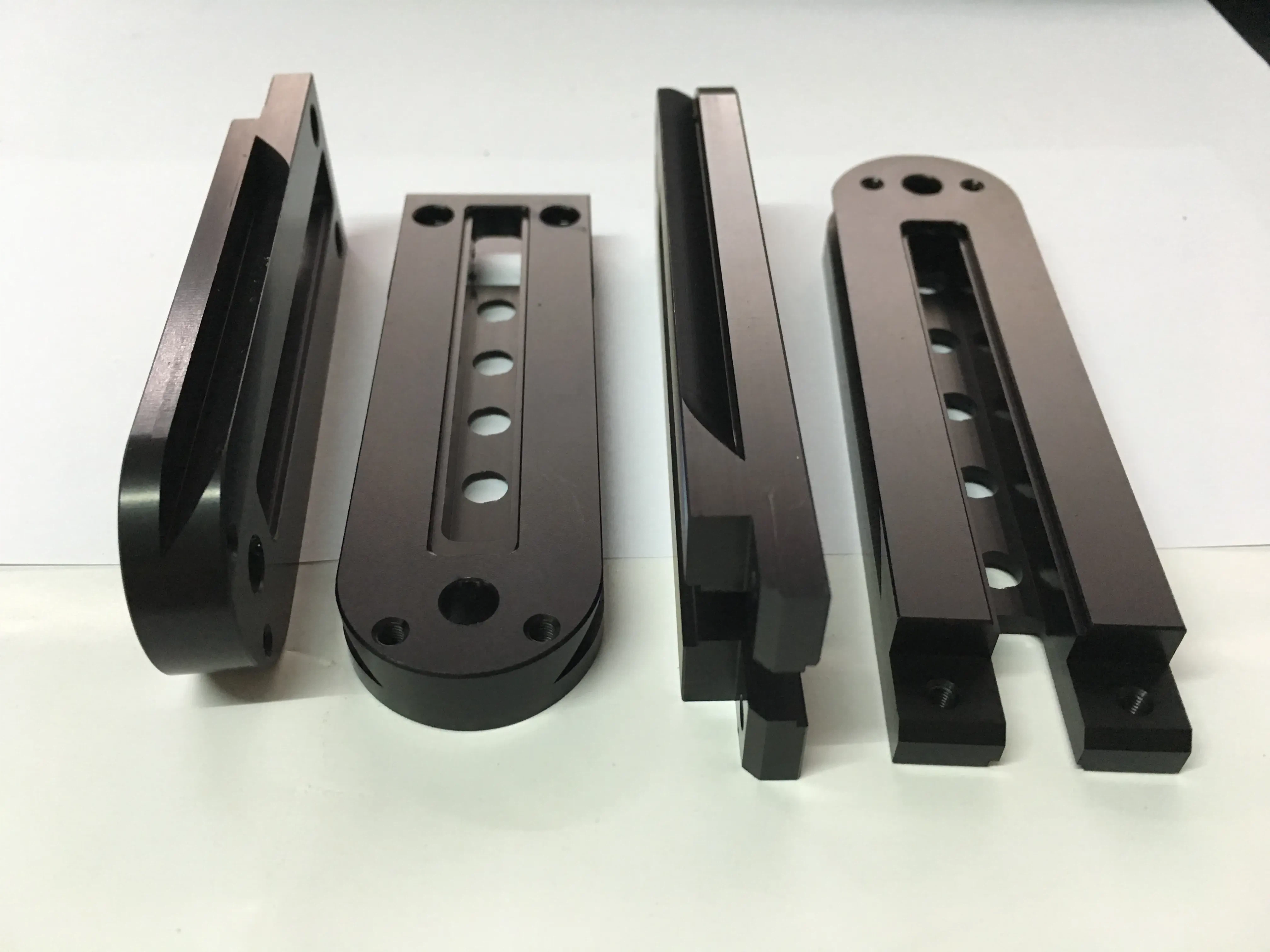
Non - standard machining refers to the manufacturing process of parts that do not conform to standard specifications. These parts are often customized to meet specific requirements in various industries such as aerospace, automotive, and medical. Unlike standard parts, non - standard parts require unique machining processes, designs, and materials.
One of the key aspects of non - standard machining is the need for precision. Since these parts are often used in critical applications, any deviation from the required specifications can lead to significant problems. For example, in the aerospace industry, non - standard parts must meet extremely high precision requirements to ensure the safety and performance of aircraft.
International Standards for Non - Standard Machining
Geometric Tolerancing
Geometric tolerancing is a critical standard in non - standard machining. It defines the allowable variation in the shape, orientation, and location of features on a part. International Organization for Standardization (ISO) standards such as ISO 1101 provide guidelines for geometric tolerancing. These standards help manufacturers ensure that parts fit properly and function as intended.
For instance, when machining a custom gear for a specialized machine, the gear's tooth profile, pitch, and concentricity must be within the specified geometric tolerances. Any deviation can lead to noise, vibration, and premature wear of the gear.
Surface Finish
Surface finish is another important standard. The surface quality of a part can affect its performance, durability, and appearance. ISO 4287 and ISO 4288 provide guidelines for surface roughness and waviness. A smooth surface finish is often required for parts that are in contact with other components or for parts that need to be corrosion - resistant.
In the case of Double - Side Lapping Seal Parts, a high - quality surface finish is essential to ensure a proper seal. Any roughness on the surface can lead to leaks, which can be a serious issue in applications such as hydraulic systems.
Material Quality
The quality of materials used in non - standard machining is also governed by international standards. ISO 9001 is a widely recognized quality management system standard that ensures the proper selection, handling, and testing of materials. Manufacturers must source materials from reliable suppliers and conduct appropriate quality control checks.
For example, in the production of mechanical parts for high - stress applications, the material must have the right strength, hardness, and ductility. Using sub - standard materials can lead to part failure, which can have serious consequences in industries such as automotive and construction.
Dimensional Accuracy
Dimensional accuracy is a fundamental standard in non - standard machining. Parts must be machined to the specified dimensions with a high degree of precision. ISO 286 provides guidelines for the system of limits and fits, which helps ensure that parts can be assembled correctly.
When machining Machining Custom Parts, the dimensional accuracy of each feature is crucial. Even a small deviation can affect the functionality of the part. For example, in a custom - made engine component, the dimensional accuracy of the bore and the piston can affect the engine's performance and efficiency.
Our Approach as a Non - Standard Machining Supplier
As a non - standard machining supplier, we are committed to adhering to these international standards. We have a team of experienced engineers and technicians who are well - versed in the latest machining techniques and standards.
We start the process by carefully analyzing the customer's requirements. This includes understanding the function of the part, the operating environment, and any specific design constraints. Based on this analysis, we select the appropriate materials and machining processes.
Our manufacturing facilities are equipped with state - of - the - art machinery, which allows us to achieve high levels of precision and quality. We use advanced measurement tools to ensure that the parts meet the specified dimensions and tolerances.
In addition to meeting the technical standards, we also focus on providing excellent customer service. We keep our customers informed throughout the manufacturing process and are always ready to address any concerns or questions.
Importance of International Standards in Non - Standard Machining
International standards play a vital role in non - standard machining. They ensure that parts are of high quality, reliable, and safe. By adhering to these standards, manufacturers can enhance their reputation and competitiveness in the global market.
For customers, international standards provide a level of assurance. They can be confident that the parts they purchase meet the required quality and performance criteria. This is especially important in industries where safety and reliability are of utmost importance.
Conclusion
In conclusion, international standards for non - standard machining cover various aspects such as geometric tolerancing, surface finish, material quality, and dimensional accuracy. As a non - standard machining supplier, we understand the importance of these standards and are committed to meeting them.
If you are in need of Mechanical Parts Processing or custom - made non - standard parts, we invite you to contact us for a detailed discussion. We are confident that our expertise and commitment to quality will meet your requirements.
References
- ISO 1101: Geometric product specifications (GPS) — Geometric tolerancing — Tolerancing of form, orientation, location and run - out
- ISO 4287: Geometric product specifications (GPS) — Surface texture: Profile method — Terms, definitions and surface texture parameters
- ISO 4288: Geometric product specifications (GPS) — Surface texture: Profile method — Rules and procedures for the assessment of surface texture
- ISO 9001: Quality management systems — Requirements
- ISO 286: Geometric product specifications (GPS) — ISO system of limits and fits


