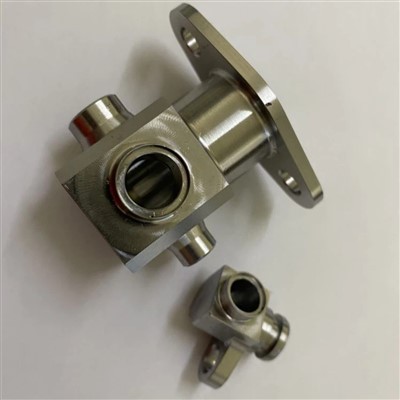
Can non - standard hardware components be used in medical devices?
Hey there! I'm a supplier of non - standard hardware components, and I often get asked this question: Can non - standard hardware components be used in medical devices? Well, let's dive right into it.
First off, medical devices are a big deal. They have to meet super strict safety and performance standards. These standards are in place to make sure that the devices work as they're supposed to and don't cause any harm to patients. So, when it comes to using non - standard hardware components, it's a bit of a double - edged sword.
On one hand, non - standard hardware components can offer some really cool advantages. For example, they can be customized to fit the specific needs of a medical device. Let's say a medical device has a unique shape or function that off - the - shelf components just can't handle. That's where non - standard components come in. They can be designed and manufactured to precisely match the requirements of the device. This can lead to better performance, as the components are tailored to work seamlessly with the rest of the device.
I've seen cases where non - standard components have been used to improve the accuracy of a diagnostic device. By creating a custom - made sensor, for instance, the device can detect certain conditions with much higher precision. This kind of customization can also lead to cost savings in the long run. Instead of trying to adapt standard components to fit a non - standard design, which can be time - consuming and expensive, a non - standard component can be made from the start to fit the device perfectly.


But, on the other hand, there are some serious challenges. One of the biggest issues is compliance. Medical devices are regulated by various government agencies, like the FDA in the United States. These agencies have strict rules about what can and can't be used in medical devices. Non - standard components need to go through a rigorous testing and approval process to make sure they meet these regulations. This can be a long and expensive process.
Another challenge is quality control. Since non - standard components are not mass - produced like standard ones, it can be harder to ensure consistent quality. Each component may need to be inspected more carefully to make sure it meets the required specifications. This means that there's a higher risk of defects or malfunctions if the manufacturing process isn't well - managed.
Now, let's talk about some specific examples. Take Medical Device CNC Machining. CNC machining is a great way to create non - standard components for medical devices. It allows for high - precision manufacturing, which is crucial in the medical field. With CNC machining, we can create components with very tight tolerances, ensuring that they fit and function correctly within the device.
Another area where non - standard components can be useful is in Printing Equipment Parts Processing. Some medical devices use printing technology, and non - standard components can be designed to improve the performance of these printing functions. For example, a custom - made print head can provide better resolution and more accurate printing, which is important for things like printing medical labels or patient records.
And then there's Medical Device CNC Machining for gear processing. Gears are an important part of many medical devices, and non - standard gears can be designed to optimize the performance of the device. For example, a custom - made gear can reduce noise and vibration, which can be especially important in a quiet medical environment.
So, can non - standard hardware components be used in medical devices? The answer is yes, but with a lot of caution. It's important to work with a reliable supplier who has experience in the medical field and can ensure that the components meet all the necessary regulations and quality standards.
If you're in the market for non - standard hardware components for your medical devices, I'd love to have a chat with you. We can discuss your specific needs and see how we can help you create the perfect components for your devices. Whether it's improving performance, reducing costs, or meeting regulatory requirements, we're here to make it happen.
References:
- Various industry reports on medical device regulations and manufacturing.
- Case studies on the use of non - standard components in medical devices.