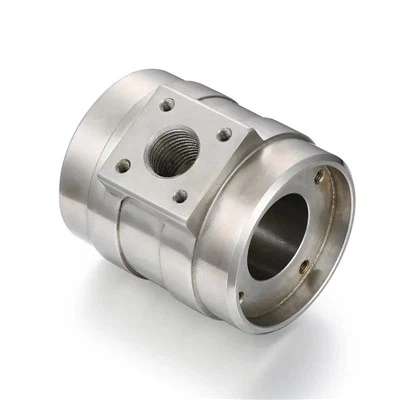
As a supplier of non - standard hardware components, I often get asked whether these components require anti - static protection. Well, let's dive right into it.
First off, what are non - standard hardware components? These are parts that aren't mass - produced in a standard, off - the - shelf way. They're custom - made to fit specific needs, whether it's for OEM Electronic Parts, Hydraulic Valve Components, or Medical Device CNC Machining.
Now, the question of anti - static protection. Static electricity is a real pain in the neck when it comes to electronic components. You know how sometimes you get a shock when you touch a metal doorknob? That's static discharge. And in the world of non - standard hardware, especially the electronic ones, this kind of discharge can be a real disaster.
For electronic non - standard components, anti - static protection is an absolute must. Many of these parts are made up of tiny, sensitive circuits. A single static discharge can fry these circuits, rendering the component useless. Just think about it - you've spent time and resources custom - making a part, and one little static shock can ruin it all. That's why we take anti - static measures seriously.
We use anti - static packaging materials like conductive bubble wrap and anti - static bags. These materials help to dissipate static electricity and protect the components during shipping and handling. When our technicians are working on these parts, they wear anti - static wrist straps. These straps ground the technicians, preventing any static build - up on their bodies from transferring to the components.
But it's not just about the electronic components. Even non - electronic non - standard hardware can benefit from anti - static protection. For example, some hydraulic valve components have small, precision - machined parts. Static electricity can attract dust and debris, which can then interfere with the proper functioning of these parts. If dust gets into the valves, it can cause leaks or reduced performance. So, we still use anti - static measures to keep these components clean and in good working order.


In the case of medical device CNC machining, the stakes are even higher. Medical devices need to be extremely reliable and safe. A static - induced malfunction in a medical device could have serious consequences for patients. That's why we go the extra mile to ensure that all the non - standard components used in medical devices are well - protected against static.
We also have strict procedures in our workshop to minimize static build - up. The floors are made of anti - static materials, and the air is kept at a proper humidity level. High humidity helps to reduce static electricity because it allows the charge to dissipate more easily.
Another aspect to consider is the environment in which these non - standard components will be used. If they're going to be used in a factory with a lot of machinery, there's a higher chance of static build - up. In such cases, we make sure to provide additional anti - static protection and give our customers advice on how to handle the components in that environment.
Some might think that anti - static protection adds to the cost. Well, it does, but it's a cost that's well worth it. The cost of replacing a damaged component due to static discharge can be much higher than the cost of implementing anti - static measures. And let's not forget about the potential loss of business if a customer receives a faulty component.
So, to sum it up, yes, non - standard hardware components do require anti - static protection. Whether they're electronic, hydraulic, or for medical devices, static electricity can cause a lot of problems. As a supplier, we're committed to providing high - quality, well - protected components to our customers.
If you're in the market for non - standard hardware components, we'd love to have a chat with you. We can discuss your specific needs, the anti - static measures we take, and how we can provide the best solution for you. Don't hesitate to reach out and start a conversation about your procurement needs.
References
- Electrostatic Discharge Association (ESDA) Standards
- Industry research on static electricity and its effects on hardware components