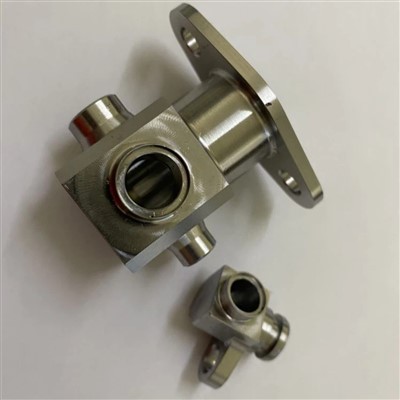
Hey there! As a supplier in the Non - standard Machining field, I've seen a lot of folks scratching their heads when it comes to choosing the right non - standard machining process. It's not an easy task, but with a bit of know - how, you can make an informed decision. So, let's dive right in!
Understanding Your Needs
First things first, you gotta know what you need. What kind of parts are you looking to produce? Are they small, intricate components or large, heavy - duty pieces? The size, shape, and complexity of your parts play a huge role in determining the right machining process.
For instance, if you're dealing with small, high - precision parts like those used in the electronics industry, you might want to consider processes like Electrical Discharge Machining (EDM). EDM is great for creating complex shapes with high accuracy. On the other hand, if you're making large, simple parts, traditional milling or turning might be more suitable.
Material Matters
The material you're working with is another crucial factor. Different materials have different properties, and not all machining processes are compatible with every material.
Metals like aluminum, steel, and titanium are commonly used in non - standard machining. Aluminum is lightweight and easy to machine, so processes like CNC milling and turning work well with it. Steel, being stronger and more durable, might require more powerful machining methods. Titanium, on the other hand, is known for its high strength - to - weight ratio but can be difficult to machine. Specialized processes and tools are often needed for titanium.
Non - metallic materials such as plastics and composites also have their own machining requirements. Plastics can be machined using processes like routing and laser cutting, while composites might need more careful handling to avoid delamination.
Precision and Tolerance
How precise do your parts need to be? Precision is a key consideration in non - standard machining. If you need parts with extremely tight tolerances, you'll need a machining process that can deliver that level of accuracy.
For high - precision work, processes like grinding and honing are often used. Grinding can achieve very fine surface finishes and tight dimensional tolerances. Honing is great for finishing internal bores with high precision.
On the other hand, if your parts don't require such high precision, you can opt for more cost - effective processes like sawing or drilling.
Cost - Effectiveness
Let's face it, cost is always a concern. You want to get the best quality parts at the lowest possible cost. When choosing a non - standard machining process, you need to consider both the initial setup costs and the per - part production costs.
Some processes, like EDM, have high setup costs because they require specialized equipment and electrodes. However, they can be cost - effective for producing small batches of high - precision parts. Other processes, like conventional milling, have lower setup costs but might have higher per - part costs for large - scale production.
It's important to find a balance between quality and cost. Don't just go for the cheapest option, as it might not meet your quality requirements. At the same time, don't overspend on a high - end process if it's not necessary.
Production Volume
The volume of parts you need to produce also affects the choice of machining process. For small - batch production, processes that are flexible and have low setup times are ideal. For example, CNC machining is great for small - batch production because it can be easily programmed to produce different parts.
For large - scale production, processes that are highly automated and have high production rates are more suitable. Transfer machining lines, for instance, can produce a large number of parts quickly and efficiently.
Surface Finish
The surface finish of your parts is important, especially if they are going to be used in applications where appearance or friction is a concern. Different machining processes can produce different surface finishes.
For a smooth surface finish, processes like polishing and lapping are often used. Double - Side Lapping Seal Parts can achieve very fine surface finishes, which are ideal for applications like seals and bearings.
On the other hand, processes like sandblasting can create a rougher surface finish, which might be suitable for applications where grip or adhesion is required.
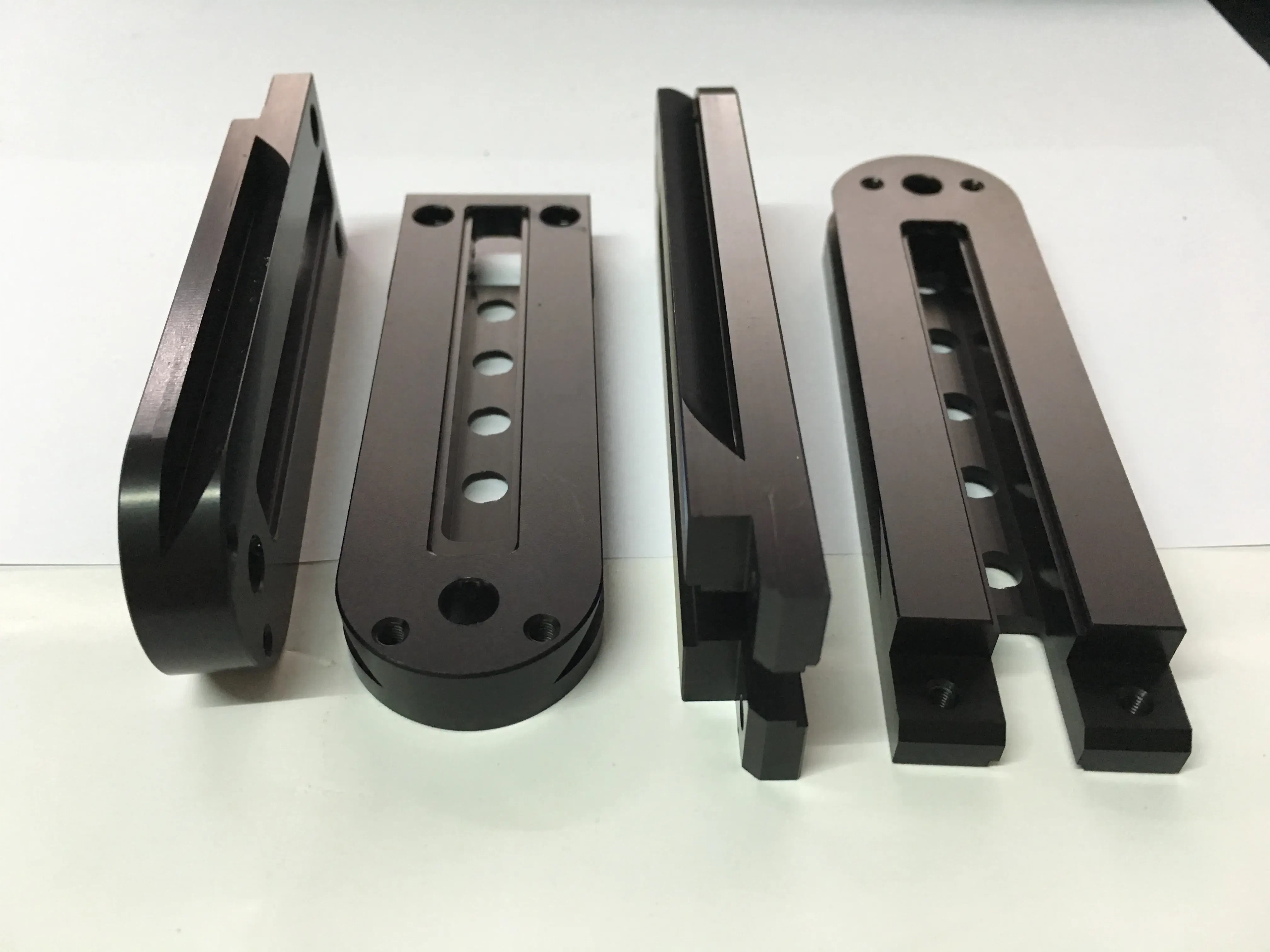

Availability of Equipment and Expertise
Not all machining processes are available everywhere. You need to consider the availability of equipment and expertise in your area. If you choose a process that requires specialized equipment that is not readily available, it can lead to delays and increased costs.
It's also important to work with a supplier who has the necessary expertise in the chosen machining process. A knowledgeable supplier can help you optimize the process and ensure that you get the best results.
Environmental Considerations
In today's world, environmental concerns are becoming increasingly important. Some machining processes generate more waste and pollution than others. For example, processes that use cutting fluids can generate a lot of waste and require proper disposal.
If environmental sustainability is a priority for you, you might want to consider processes that are more environmentally friendly. For instance, dry machining processes that don't use cutting fluids can reduce waste and environmental impact.
Conclusion
Choosing the right non - standard machining process is a complex decision that requires careful consideration of many factors. By understanding your needs, the properties of the materials, the required precision, cost - effectiveness, production volume, surface finish, availability of equipment and expertise, and environmental considerations, you can make an informed choice.
As a Non - standard Machining supplier, I'm here to help you navigate through these choices. Whether you're looking for Mechanical Parts Processing or custom - made non - standard parts, we have the expertise and equipment to meet your needs.
If you're interested in discussing your machining requirements, don't hesitate to reach out. We're always happy to have a chat and see how we can help you get the best non - standard machining solutions.
References
- Smith, J. (2020). Handbook of Non - standard Machining Processes. Publisher X.
- Brown, A. (2019). Advanced Machining Techniques for Precision Parts. Journal of Manufacturing Science, 15(2), 123 - 135.