

Hey there! As a supplier in the Mechanical Parts Processing industry, I've been through the ups and downs of optimizing the process flow. It's not always a walk in the park, but with the right strategies, it can be a game - changer for your business. In this blog, I'll share some tips on how to optimize the process flow of mechanical parts processing.
Understanding the Basics
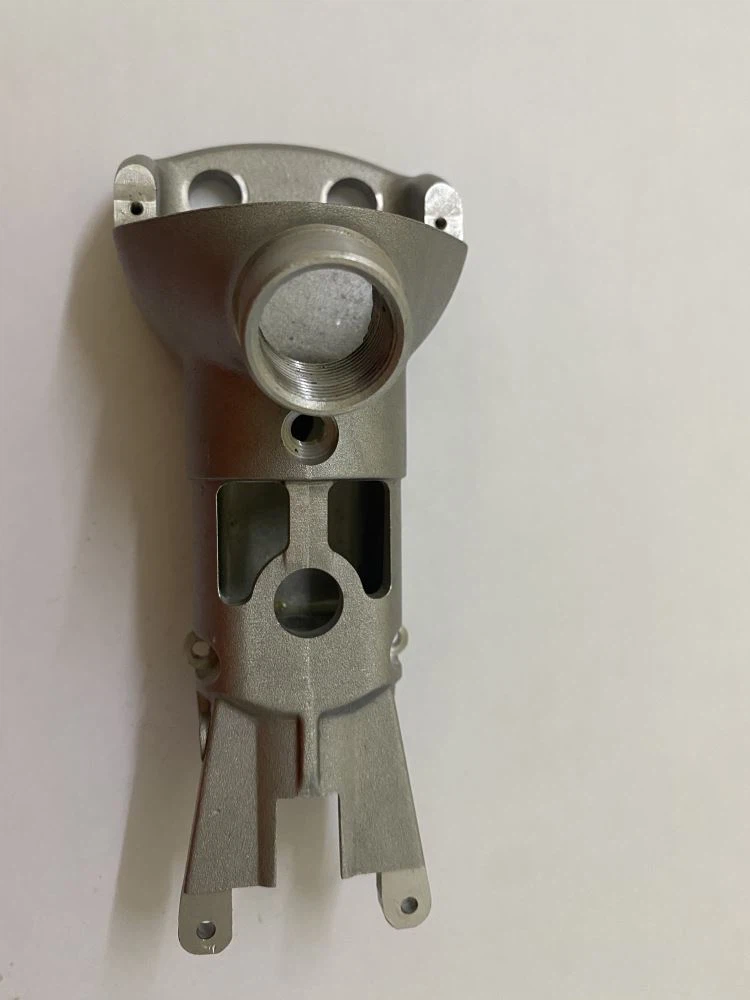
First things first, we need to have a clear understanding of what mechanical parts processing is all about. Mechanical Parts Processing involves various operations like cutting, drilling, grinding, and shaping raw materials into finished mechanical parts. Each step in the process is crucial, and any inefficiency can lead to increased costs and longer lead times.
Analyze the Current Process
Before making any changes, it's essential to take a good look at your current process flow. Map out every step, from the moment the raw materials arrive to the final inspection of the finished part. Identify bottlenecks, delays, and areas where errors are likely to occur. For instance, are there long waiting times between different machining operations? Are there any redundant steps that can be eliminated? By pinpointing these issues, you can start to develop a plan for improvement.
Standardize Work Procedures
One of the keys to optimizing the process flow is standardization. When everyone on the team follows the same set of procedures, it becomes easier to manage the workflow and ensure consistent quality. Create detailed work instructions for each operation, including the tools to be used, the sequence of steps, and the quality standards to be met. Train your employees thoroughly on these procedures and make sure they understand the importance of following them.
Invest in the Right Equipment
The quality of your equipment can have a huge impact on the process flow. Outdated or inefficient machines can slow down production, increase the risk of errors, and lead to higher maintenance costs. Consider investing in modern, high - performance equipment that can handle the specific requirements of your mechanical parts processing. For example, if you're involved in Non - standard Machining, you might need specialized tools and machinery to achieve the desired precision.
Implement Lean Manufacturing Principles
Lean manufacturing is all about eliminating waste and maximizing value. Apply Lean principles to your mechanical parts processing to reduce non - value - added activities. This could include reducing inventory levels, minimizing setup times, and improving the flow of materials. For example, use a just - in - time (JIT) inventory system to ensure that you have the right amount of raw materials at the right time, avoiding overstocking and the associated costs.
Improve Communication and Collaboration
Effective communication and collaboration are vital in any manufacturing process. Make sure that all departments involved in mechanical parts processing, from engineering and production to quality control and logistics, are on the same page. Encourage open communication channels so that issues can be addressed quickly. For example, if there's a design change, it should be communicated to all relevant parties immediately to avoid any production delays.
Quality Control at Every Step
Quality control is not something that should be left until the end of the process. Implement quality control checks at every step of the mechanical parts processing. This helps to catch any issues early on, reducing the need for rework and scrap. For Double - Side Lapping Seal Parts, for instance, you might want to check the flatness and surface finish at multiple stages during the lapping process.
Continuous Improvement
Optimizing the process flow is not a one - time thing. It's an ongoing process that requires continuous improvement. Regularly review your process data, such as production times, defect rates, and customer feedback. Use this information to identify areas for further improvement. You can also encourage your employees to suggest ideas for process optimization, as they are often the ones who are closest to the work.

Training and Development
Your employees are your most valuable asset. Provide them with regular training and development opportunities to keep their skills up - to - date. This could include training on new equipment, new manufacturing techniques, or quality control methods. A well - trained workforce is more efficient, makes fewer mistakes, and is more likely to contribute to the overall optimization of the process flow.
Conclusion
Optimizing the process flow of mechanical parts processing is a complex but rewarding task. By understanding the basics, analyzing your current process, standardizing work procedures, investing in the right equipment, implementing Lean principles, improving communication, ensuring quality control, and focusing on continuous improvement, you can significantly enhance the efficiency and profitability of your business.
If you're looking for a reliable supplier for your mechanical parts processing needs, I'd love to have a chat. Contact us to start a procurement discussion and see how we can work together to meet your requirements.
References
- Smith, J. (2020). Modern Manufacturing Techniques. Publisher XYZ.
- Johnson, A. (2021). Lean Manufacturing in the Metalworking Industry. ABC Press.
- Williams, L. (2019). Quality Control in Mechanical Parts Production. DEF Publishers.


