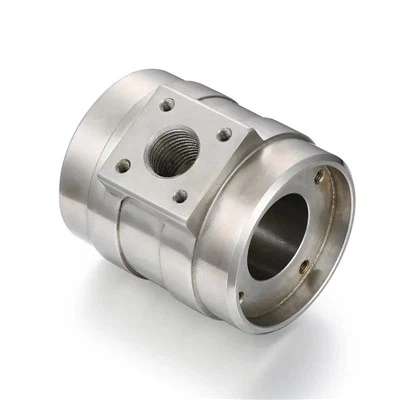
Hey there! As a supplier of CNC lathe machining parts, I've been in the game for quite a while, and I know how crucial it is to optimize the CNC lathe machining process for parts. In this blog, I'm gonna share some tips and tricks that can help you get the most out of your CNC lathe operations.
First off, let's talk about the importance of proper planning. Before you even start the machining process, you need to have a clear understanding of what you're trying to achieve. This means having detailed blueprints and specifications for the parts you're machining. Make sure you know the dimensions, tolerances, and surface finish requirements. It's like having a map before you start a journey – it keeps you on track and helps you avoid costly mistakes.
Another key aspect is tool selection. The right tools can make a world of difference in the machining process. You need to choose tools that are suitable for the material you're working with and the type of operation you're performing. For example, if you're machining a hard metal like stainless steel, you'll need high - speed steel or carbide tools. And don't forget about tool geometry. The shape and angle of the tool can affect the cutting performance and the quality of the finished part. You can check out Machining Fixture Components for some great options that can enhance your machining process.
Once you've got your tools sorted, it's time to think about cutting parameters. This includes things like cutting speed, feed rate, and depth of cut. These parameters need to be carefully adjusted based on the material, the tool, and the machine. If you set the cutting speed too high, you might damage the tool or the part. On the other hand, if it's too low, the machining process will take forever. It's all about finding that sweet spot. You can do some trial runs and use software or online calculators to help you determine the optimal cutting parameters.
Workholding is also a critical factor. A secure workholding setup ensures that the part stays in place during the machining process, which is essential for accuracy. There are various types of workholding devices available, such as chucks, vises, and fixtures. You need to choose the one that's best suited for your part and the machining operation. For example, if you're machining a small, round part, a chuck might be the way to go. And if you're working on a more complex shape, a custom - made fixture could be the solution. You can explore Custom Shaft Machining to see how proper workholding can be applied in different scenarios.
Coolant is another thing that shouldn't be overlooked. Using the right coolant can improve tool life, reduce heat, and improve the surface finish of the part. There are different types of coolants available, such as water - based, oil - based, and synthetic coolants. You need to choose the one that's compatible with the material and the machining operation. For example, water - based coolants are great for general machining, while oil - based coolants are better for heavy - duty operations.
Maintenance of the CNC lathe is also vital. Regular maintenance ensures that the machine runs smoothly and accurately. This includes things like cleaning the machine, lubricating the moving parts, and checking the alignment. A well - maintained machine will not only produce better - quality parts but also have a longer lifespan.
Now, let's talk about quality control. You need to have a system in place to check the quality of the parts during and after the machining process. This can include using measuring tools like calipers, micrometers, and gauges. You can also perform inspections using non - destructive testing methods. By catching any issues early on, you can avoid having to scrap parts and save time and money.
In addition to these technical aspects, it's also important to train your operators properly. A skilled operator can make a big difference in the efficiency and quality of the machining process. Provide them with regular training on the latest techniques and technologies in CNC lathe machining.
Finally, I want to mention the importance of continuous improvement. The manufacturing industry is constantly evolving, and you need to keep up with the latest trends and technologies. Look for ways to optimize your processes further, whether it's by adopting new software, upgrading your equipment, or implementing new quality control measures.
If you're in the market for high - quality CNC lathe machining parts or want to learn more about optimizing your machining process, feel free to reach out. We're here to help you with all your machining needs. Whether it's Sealing Ring Turning or any other type of part, we've got the expertise and the equipment to get the job done right.


References:
- "CNC Machining Handbook"
- Industry publications on CNC lathe machining technology