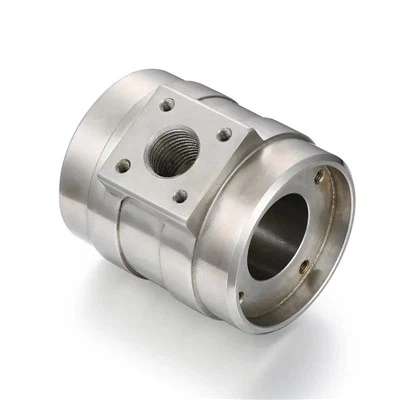
In the realm of mechanical processing, the surface waviness of components is a critical factor that significantly impacts the performance, functionality, and overall quality of the final product. As a leading supplier of mechanical processing components, we understand the importance of meeting and exceeding the requirements for surface waviness to ensure the satisfaction of our customers. In this blog post, we will delve into the key requirements for the surface waviness of mechanical processing components, exploring the factors that influence it and the methods used to measure and control it.
Understanding Surface Waviness
Surface waviness refers to the deviation of a surface from its ideal form, characterized by a series of relatively long - wavelength irregularities. Unlike roughness, which consists of short - wavelength irregularities, waviness has a greater influence on the functional performance of mechanical components. For example, in precision machinery, excessive surface waviness can lead to issues such as poor sealing, increased friction, and reduced fatigue life.
Factors Influencing Surface Waviness
1. Machining Process
The machining process plays a crucial role in determining the surface waviness of mechanical components. Different machining methods, such as turning, milling, grinding, and honing, have varying degrees of impact on the surface waviness. For instance, in turning operations, the feed rate, cutting speed, and tool geometry can all affect the surface waviness. A high feed rate may result in larger waviness, while a sharp and properly ground cutting tool can help reduce it.
2. Machine Tool Accuracy
The accuracy of the machine tool used in the machining process is another important factor. Any vibrations, misalignments, or inaccuracies in the machine tool can be transferred to the machined surface, leading to increased surface waviness. For example, a worn - out spindle bearing in a lathe can cause periodic variations in the cutting force, resulting in wavy surfaces on the machined part.
3. Material Properties
The properties of the material being machined also influence surface waviness. Materials with different hardness, ductility, and grain structure can respond differently to the machining process. For example, soft and ductile materials may be more prone to producing wavy surfaces during machining due to their tendency to deform plastically. On the other hand, hard materials may require more precise machining parameters to achieve the desired surface waviness.
Requirements for Surface Waviness
1. Functional Requirements
The surface waviness requirements are often determined by the specific function of the mechanical component. For example, in a CNC Machined Flange, the surface waviness needs to be carefully controlled to ensure a proper seal between the flange and other mating parts. Excessive waviness can lead to leakage, which is unacceptable in applications such as hydraulic systems or pipelines.
In Mechanical Parts Processing, components that are subject to high - speed rotation, such as shafts and gears, require low surface waviness to reduce vibration and noise. High waviness can cause uneven distribution of forces, leading to premature wear and failure of the components.
2. Dimensional Tolerance Compatibility
Surface waviness should be compatible with the dimensional tolerances of the component. If the surface waviness exceeds the allowable limits, it can affect the overall dimensional accuracy of the part. For example, in a precision - machined part with tight dimensional tolerances, excessive surface waviness can cause the part to be out of specification, leading to assembly problems and reduced functionality.
3. Aesthetic Requirements
In some cases, the surface waviness also has aesthetic implications. Components that are visible in the final product, such as consumer electronics or automotive parts, need to have a smooth and uniform surface appearance. Excessive waviness can make the surface look uneven and unappealing, which may affect the marketability of the product.
Measuring and Controlling Surface Waviness
1. Measuring Methods
There are several methods available for measuring surface waviness. One of the most common methods is the use of profilometers, which can measure the surface profile and provide information about the waviness parameters. Optical methods, such as interferometry, can also be used to measure surface waviness with high precision. These methods allow for accurate quantification of the waviness amplitude, wavelength, and other relevant parameters.
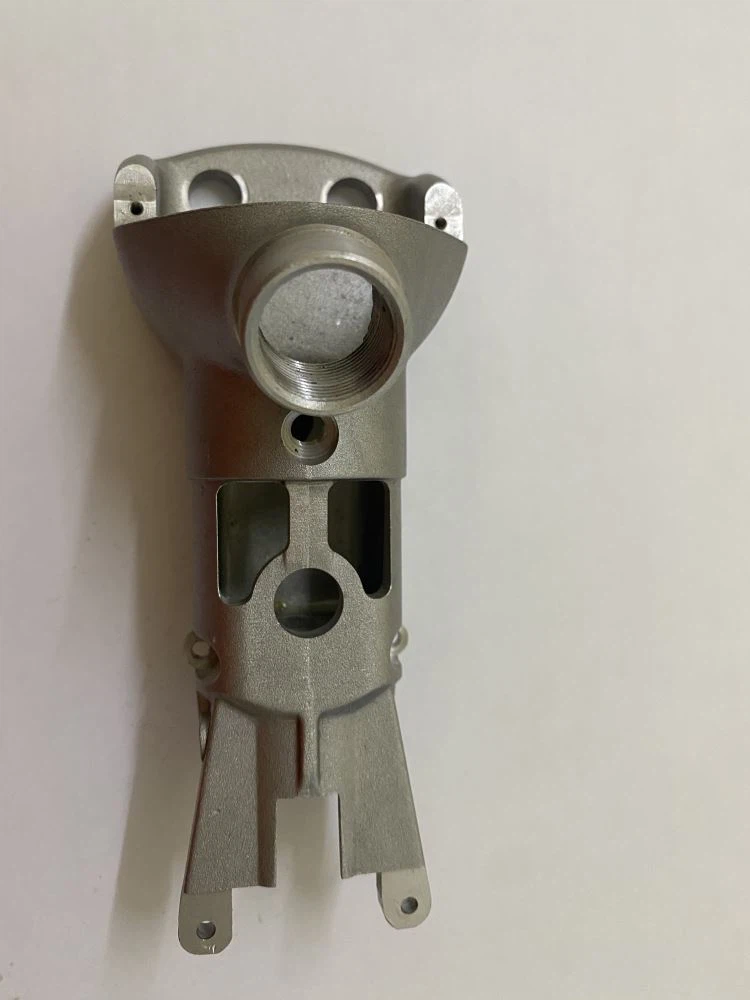

2. Process Control
To control the surface waviness, it is essential to optimize the machining process. This includes selecting the appropriate machining parameters, such as cutting speed, feed rate, and depth of cut. Regular maintenance of the machine tools is also crucial to ensure their accuracy and stability. Additionally, using high - quality cutting tools and proper lubrication can help reduce surface waviness.
Our Commitment as a Supplier
As a supplier of mechanical processing components, we are committed to meeting the highest standards for surface waviness. We have a team of experienced engineers and technicians who are well - versed in the latest machining technologies and quality control methods. We use state - of - the - art measuring equipment to ensure that our components meet the specified surface waviness requirements.
For Double - Side Lapping Seal Parts, we employ advanced lapping techniques to achieve extremely low surface waviness, ensuring a perfect seal and long - term reliability. Our quality control process includes multiple inspections at different stages of production to detect and correct any issues related to surface waviness.
Contact Us for Procurement
If you are in need of high - quality mechanical processing components with strict surface waviness requirements, we invite you to contact us for procurement. Our team is ready to work with you to understand your specific needs and provide customized solutions. We are confident that our products and services will meet and exceed your expectations.
References
- Smith, J. (2018). Handbook of Mechanical Component Design. McGraw - Hill.
- Jones, A. (2019). Precision Machining: Principles and Applications. Wiley.
- Brown, C. (2020). Surface Metrology: Fundamentals and Applications. Elsevier.