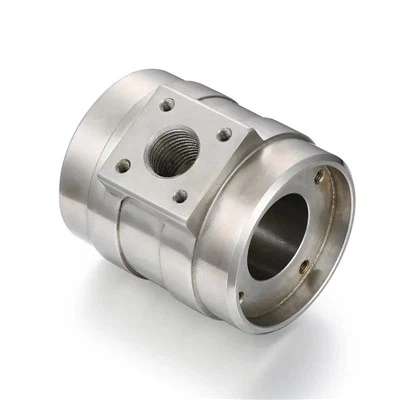
As a supplier in the field of Mechanical Parts Processing, I've witnessed firsthand the unique challenges that come with processing high-strength materials. High-strength materials, such as titanium alloys, high-strength steels, and some advanced composites, are increasingly in demand across various industries, from aerospace to automotive. But working with these materials is no walk in the park. Let's dig into the main challenges we face.
Tool Wear and Breakage
One of the most significant challenges in processing high-strength materials is tool wear and breakage. These materials are, well, strong, which means they're tough on cutting tools. The high hardness and abrasiveness of high-strength materials cause rapid wear on the cutting edges of tools. For example, when machining titanium alloys, the high temperature generated during the cutting process can cause the tool material to soften and wear out quickly.
We've all been there - you start a machining operation, and within a short time, you notice that the tool isn't cutting as efficiently as it used to. The chips might start to change in shape and color, and the surface finish of the part begins to deteriorate. This not only affects the quality of the finished part but also increases production costs. You have to replace the tools more frequently, which means more downtime and higher tooling expenses.
To combat this, we've had to invest in high-quality cutting tools made from advanced materials like carbide and ceramic. These tools can withstand the high temperatures and pressures generated during machining. However, even with these advanced tools, we still need to optimize the cutting parameters, such as cutting speed, feed rate, and depth of cut, to minimize tool wear.
Heat Generation
Another major challenge is heat generation. High-strength materials often have low thermal conductivity, which means that the heat generated during machining doesn't dissipate easily. This can lead to high temperatures at the cutting zone, which can cause a whole host of problems.
First, the high temperatures can cause the material to harden further, making it even more difficult to machine. This is known as work hardening. Work hardening can increase the cutting forces, which in turn can lead to more tool wear and breakage. It can also affect the dimensional accuracy of the part, as the material may expand and contract due to the temperature changes.
Second, the high temperatures can cause thermal damage to the part. This can include surface cracking, residual stresses, and changes in the material's microstructure. These issues can compromise the mechanical properties of the part and reduce its service life.
To manage heat generation, we use various cooling and lubrication techniques. Coolants and lubricants can help to reduce the temperature at the cutting zone, improve chip evacuation, and reduce friction between the tool and the workpiece. We also use high-pressure coolant systems, which can deliver a large volume of coolant directly to the cutting zone.
Machinability
Machinability is a measure of how easily a material can be machined. High-strength materials often have poor machinability due to their high hardness, low thermal conductivity, and tendency to work harden. This means that we have to use special machining techniques and strategies to achieve the desired results.
For example, when machining high-strength steels, we may need to use a combination of roughing and finishing operations. Roughing operations are used to remove the bulk of the material quickly, while finishing operations are used to achieve the required surface finish and dimensional accuracy. We also need to use appropriate cutting tools and cutting parameters for each operation.
In addition, we may need to use special machining processes, such as electrical discharge machining (EDM) or laser cutting, for high-strength materials that are difficult to machine using conventional methods. These processes can be more expensive and time-consuming, but they can be effective for certain applications.
Surface Finish
Achieving a good surface finish is crucial for many mechanical parts, especially those that are used in high-performance applications. However, high-strength materials can be challenging to machine to a high surface finish. The high hardness and abrasiveness of these materials can cause the cutting tools to wear quickly, which can lead to a poor surface finish.
In addition, the high temperatures generated during machining can cause the material to melt and re-solidify on the surface of the part, creating a rough and uneven surface. This is known as built-up edge (BUE). BUE can also cause tool wear and breakage, as well as affect the dimensional accuracy of the part.
To achieve a good surface finish, we need to use appropriate cutting tools and cutting parameters. We also need to use proper coolant and lubrication techniques to reduce friction and heat generation. In some cases, we may need to use additional finishing operations, such as grinding or polishing, to achieve the desired surface finish.
Dimensional Accuracy
Maintaining dimensional accuracy is another challenge when processing high-strength materials. The high cutting forces and temperatures generated during machining can cause the workpiece to deform, which can affect the dimensional accuracy of the part. In addition, the work hardening of the material can also cause changes in the dimensions of the part.
To ensure dimensional accuracy, we need to use precise machining equipment and techniques. We also need to use appropriate cutting parameters and tooling to minimize the cutting forces and heat generation. In addition, we need to perform regular inspections and measurements during the machining process to ensure that the part meets the required specifications.
Cost
Processing high-strength materials can be expensive. The cost of the materials themselves is often higher than that of conventional materials. In addition, the cost of the cutting tools, coolant, and lubricants is also higher. The frequent tool changes and longer machining times also add to the cost.
To reduce the cost of processing high-strength materials, we need to optimize the machining process. This includes using the right cutting tools, cutting parameters, and coolant and lubrication techniques. We also need to invest in advanced machining equipment and technology to improve the efficiency and productivity of the machining process.
Conclusion
Processing high-strength materials presents a number of challenges, including tool wear and breakage, heat generation, poor machinability, surface finish issues, dimensional accuracy problems, and high costs. However, with the right tools, techniques, and strategies, we can overcome these challenges and produce high-quality mechanical parts.

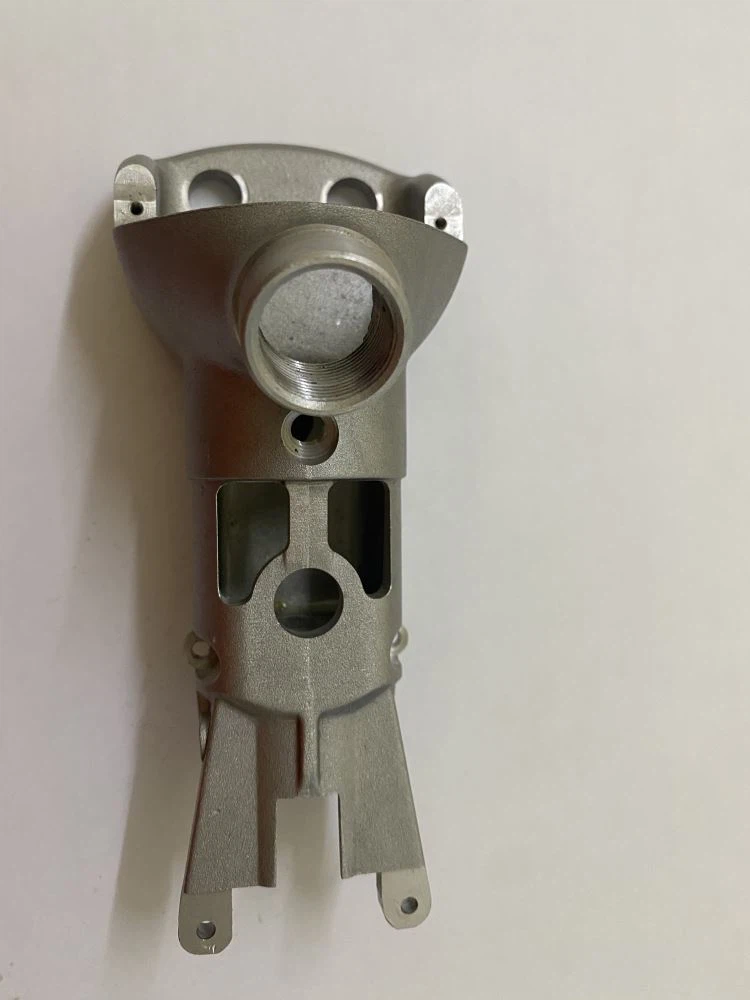
As a Mechanical Parts Processing supplier, we're constantly working to improve our processes and technologies to meet the needs of our customers. We offer a wide range of services, including Double-Side Lapping Seal Parts and Machining Custom Parts.
If you're in the market for high-quality mechanical parts made from high-strength materials, we'd love to hear from you. Contact us to discuss your requirements and let's work together to find the best solution for your needs.
References
- Smith, J. (2020). Machining High-Strength Materials: Challenges and Solutions. Journal of Manufacturing Technology, 15(2), 45-52.
- Johnson, A. (2019). Tool Wear in Machining High-Strength Alloys. International Journal of Machine Tools and Manufacture, 85, 103-112.
- Brown, C. (2018). Heat Generation and Management in Machining High-Strength Materials. Manufacturing Science and Technology, 12(3), 78-85.